
News
Android 14 Beta 3 Arrives for Pixel Devices: Users Experience Next-Level Android

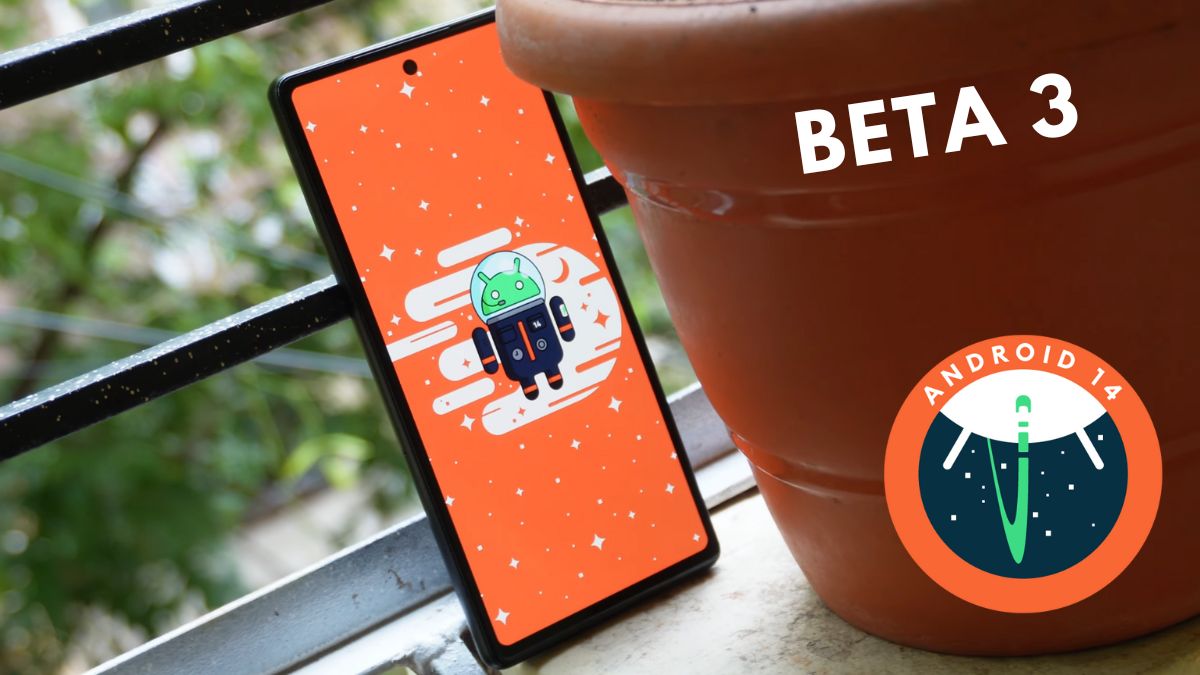
Google has released the highly anticipated Android 14 Beta 3 update for a selection of Pixel devices, including Pixel 4a 5G, Pixel 5, Pixel 5a, Pixel 6, Pixel 6 Pro, Pixel 6a, Pixel 7, and now, Pixel 7a. This latest beta update marks a significant milestone in the Android 14 development cycle, with just one more beta update expected before the stable release.
For those unfamiliar with the progression of Android 14’s development, it began with the Android 14 Developer Preview, followed by the Android 14 Developer Preview 2, Android 14 Beta 1, and Android 14 Beta 2, culminating in the recently unveiled Android 14 Beta 3.
The latest beta release introduces several notable changes to enhance accessibility features. Users will now have the ability to scale their display non-linearly up to 200%, offering greater flexibility and visibility. Additionally, apps will now have the option to request partial access to users’ photos and videos, providing more granular control over privacy settings. Moreover, gesture navigation has been further improved with new animation support, resulting in smoother and more seamless navigation throughout the user interface.
As with previous beta updates, Android 14 Beta 3 is exclusively available to those who have enrolled in the Android 14 beta program. If you haven’t enrolled yet but are eager to experience the new features and improvements, you can still sign up by visiting the official enrollment link.
Google remains committed to its Android 14 roadmap, ensuring timely updates and continuous progress. The stable release of Android 14 is expected to arrive sometime between July and August, making the highly anticipated update available to all users.
Android enthusiasts and Pixel device owners alike can look forward to a range of new features and improvements that will enhance their overall Android experience. With Android 14 Beta 3 now available, users can immerse themselves in the latest iteration of Google’s powerful operating system while providing valuable feedback to help shape the final release.
Android 14 Beta 3 Changelog:
- Fixed issues that prevented Wi-Fi calling from being enabled for some devices and carriers. (Issue #277964472)
- Fixed an issue that caused Direct My Call interactions to fail in some cases where they would normally work. (Issue #278252154)
- Fixed system issues that caused unnecessary power consumption in some cases.
- Fixed system stability issues that caused UI jank in some cases.
- Fixed an issue that caused the system Settings app to crash while setting the wallpaper.
- Fixed an issue with the system UI that could cause a GPU hang, leading to “Application Not Responding” (ANR) errors.
- Fixed a system issue that could sometimes cause a device’s GPS services to stop working until the device was rebooted.
- Fixed issues with the IP Multimedia Subsystem (IMS) that could prevent devices from being able to make Wi-Fi calls in some cases.
- Fixed an issue where a blank screen displays after selecting the “Message” option for a recent caller in the Google Phone app.
- Fixed an issue where while 3-button navigation was enabled for a device, putting Google Maps into picture-in-picture mode made the picture-in-picture window disappear.
- Fixed an issue where locking and unlocking a device while playing a video in the Google TV app could cause the device to freeze.
- Fixed an issue with Android Auto where some users could be asked to re-pair Bluetooth.
- Fixed issues with Health Connect, including the following issues and other API and system behaviors:
- An issue where the system back button stopped working while Health Connect integration was in progress.
- An issue where the Route Permissions screen would sometimes freeze.
- An issue where Health Connect sometimes couldn’t be accessed in system settings.
- An issue where the data category page of Health Connect was missing some permission types when a filter was applied.
Known Issues:
- An issue with the Credential Manager platform APIs causes instability in apps that use them. A fix is available in the latest preview version of the Android 14 SDK, which developers can install using Android Studio. Developers who previously installed a preview version of the Android 14 SDK should completely uninstall the previous version and then reinstall the SDK to apply the fix.
- An issue with the system UI sometimes causes the screen to flicker when a video is playing or an app is using in picture-in-picture mode.
- In some cases, video continues playing in the background even after closing an app if the video was playing in picture-in-picture mode when it was closed.
- A video that is playing in picture-in-picture mode stops playing abruptly if the back gesture is used within the PiP settings screens.
- A system issue can sometimes cause the Android System Intelligence service to crash.
- When using a device with a work profile, the Google Play Store app in the work profile hangs or crashes when launched.
For More Such Updates Follow Us On – Telegram, Twitter, Google News, WhatsApp and Facebook







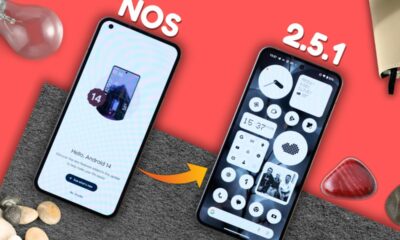




Recently, at the MWC 2024 event, which was held in Barcelona, Samsung’s VP, Hon Pak confirmed that the upcoming Galaxy Ring will not be supported by iPhones. Pak also said that their products are as good as the Apple ones.
There are also very good reasons to switch to Samsung’s ecosystem. Samsung is also working on making their devices compatible with other Android devices as well, not only with their own.
As we already know, Galaxy Ring comes in various sizes. Among them, the smallest one is powered with a battery of 14 mAh, and the largest one comes with a bigger battery of 21.5 mAh which will provide a battery backup of 5-9 days.

Until now, the launch of Galaxy Ring has not been revealed but some rumors suggested that it will launch in the Unpacked Event, which is going to be held in July along with Samsung’s upcoming Galaxy Z Fold 6 and Z Flip 6.
What do think about this move taken by Samsung? Do let us know in the comment box. Also, tell us whether you like this post or not.
For More Such Updates Follow Us On – Telegram, Twitter, Google News, WhatsApp and Facebook
Apple
Is your iPhone or iPad eligible for iOS 18 and iPadOS 18 Update – Here is a list of eligible devices

Every year, Apple announces its new iOS, iPadOS, and MacOS versions in its WWDC (World Wide Developer Conference) which will held at Apple Park in June. This year, Apple will announce iOS 18, iPadOS 18, and MacOS 15. The developer Beta of iOS 18 will be available after the announcement at the WWDC event but if we talk about the stable version of iOS 18 and iPadOS 18 update, then it will be available by September. In this post, we will tell you the list of iPhones and iPads that are eligible for the iOS 18 and iPadOS 18 update.
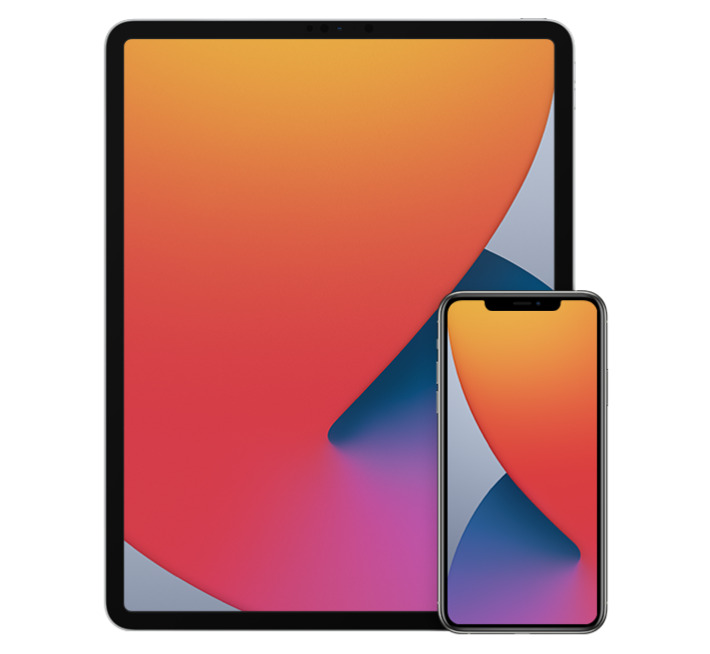
Devices Eligible for iOS 18 and iPadOS 18 Update
First, let’s talk about the list of iPhones, that are eligible for the iOS 18 Update:
- iPhone 15
- iPhone 15 Plus
- iPhone 15 Pro
- iPhone 15 Pro Max
- iPhone 14
- iPhone 14 Plus
- iPhone 14 Pro
- iPhone 14 Pro Max
- iPhone 13
- iPhone 13 mini
- iPhone 13 Pro
- iPhone 13 Pro Max
- iPhone 12
- iPhone 12 mini
- iPhone 12 Pro
- iPhone 12 Pro Max
- iPhone 11
- iPhone 11 Pro
- iPhone 11 Pro Max
- iPhone XS
- iPhone XS Max
- iPhone XR
- iPhone SE (2nd generation)
- iPhone SE (3rd generation)
Now, let’s talk about the list of iPads, that are eligible for the iPadOS 18 Update:
- iPad Pro: 2018 and later
- iPad Air: 2019 and later
- iPad mini: 2019 and later
- iPad: 2020 and later
iOS 18 brings new Generative AI support with Siri, design changes, and RCS message support in Apple’s iMessage. If you want to know more about the features of the iOS 18 update, then we have already created a dedicated post for that, do check that out.
Is your iPhone or iPad eligible for iOS 18 or iPadOS 18 update? Do let us know in the comment box. Also, do tell us whether you like this post or not.
For More Such Updates Follow Us On – Telegram, Twitter, Google News, WhatsApp and Facebook
Apple, an American-based Tech Giant has recently shared full release notes for the iOS 17.4 update, which is expected to be launched in the first week of the next month i.e. March. If you want to know the upcoming changes or new addons that we get after updating the iPhone to stable iOS 17.4, then we have already posted a dedicated post for that, you can simply check that out by clicking here.
If we talk about them in short, then the upcoming iOS 17.4 update brings major App Store changes in the EU, new emojis, Apple Podcasts transcripts, and an upgrade in the security of Apple’s iMessage. Furthermore, this update also prepares for the launch of the next-generation Apple CarPlay later this year.
As we know, Apple has to follow the EU’s Digital Markets Act. So, to avoid fines, Apple has to roll out the new iOS 17.4 update before the deadline which was given by the EU i.e. 6 March (Wednesday). So, we can expect the iOS 17.4 stable update before or on 6 March. Below listed are the iOS 17.4 U.S. released notes:
Emoji
– New mushroom, phoenix, lime, broken chain, and shaking heads emoji are now available in the emoji keyboard
– 18 people and body emoji add the option to face them in either directionApple Podcasts
– Transcripts let you follow an episode with text that highlights in sync with the audio in English, Spanish, French and German
– Episode text can be read in full, searched for a word or phrase, tapped to play from a specific point and used with accessibility features such as Text Size, Increase Contrast, and VoiceOverThis update includes the following enhancements and bug fixes:
– Music recognition lets you add songs you have identified to your Apple Music Playlists and Library, as well as Apple Music Classical
– Siri has a new option to announce messages you receive in any supported language
– Stolen Device Protection supports the option for increased security in all locations
– Battery Health in Settings shows battery cycle count, manufacture date, and first use on iPhone 15 and iPhone 15 Pro models
– Call Identification displays Apple-verified business name, logo, and department name when available
– Business updates in Messages for Business provide trusted information for order status, flight notifications, fraud alerts or other transactions you opt into
– Apple Cash virtual card numbers enable you to pay with Apple Cash at merchants that don’t yet accept Apple Pay by typing in your number from Wallet or using Safari AutoFill
– Fixes an issue where contact pictures are blank in Find My
– Fixes an issue for Dual SIM users where the phone number changes from primary to secondary and is visible to a group they have messaged
Some features may not be available for all regions or on all Apple devices. For information on the security content of Apple software updates, please visit this website: https://support.apple.com/kb/HT201222
Devices that are eligible for iOS 17.4 Update
At last, if we talk about the eligible devices for iOS 17.4 Update, then iPhone XS and above models are eligible for this update. Whenever you receive the iOS 17.4 update. To update your iPhone, simply head to Settings > General > Software Update.
Are you guys also waiting for the iOS 17.4 stable update? Do let us know in the comment box. Also, tell us whether you like this post or not.
For More Such Updates Follow Us On – Telegram, Twitter, Google News, WhatsApp and Facebook