
Android
Android 14 Beta Now Available for Several Brands

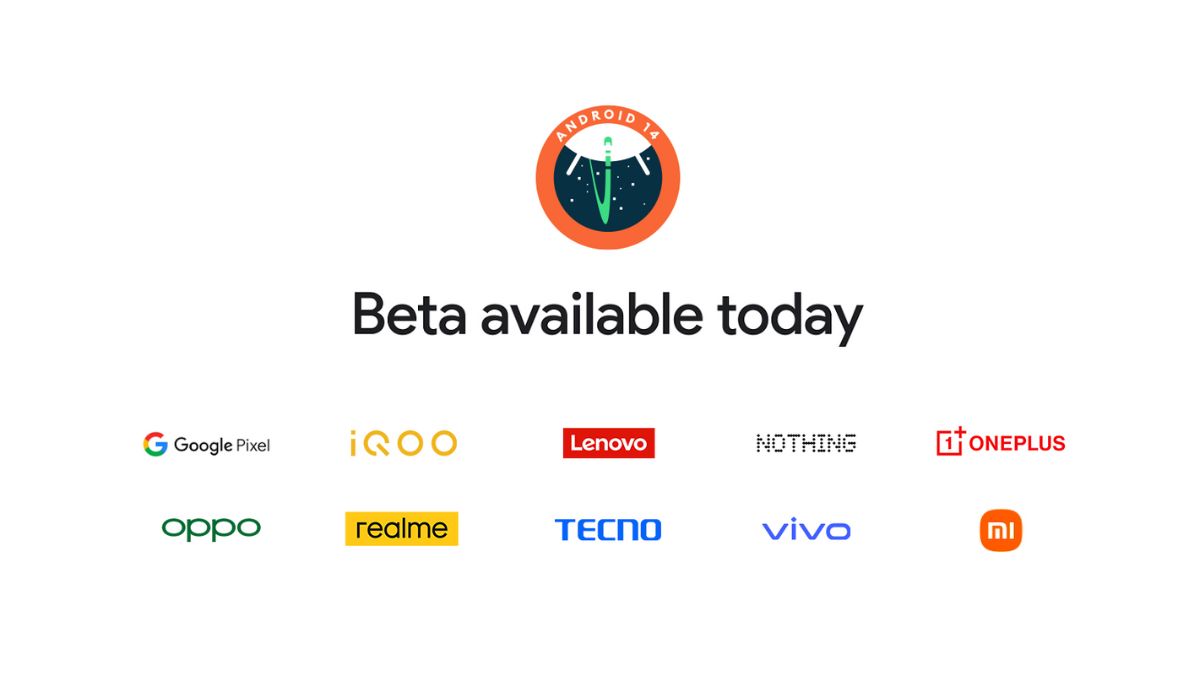
In an exciting development for Android enthusiasts, Google has recently released the Android 14 Beta for several smartphone brands, offering users a glimpse of the upcoming operating system. The beta version is now available for download on select devices, providing a preview of the features and improvements that Android 14 will bring.
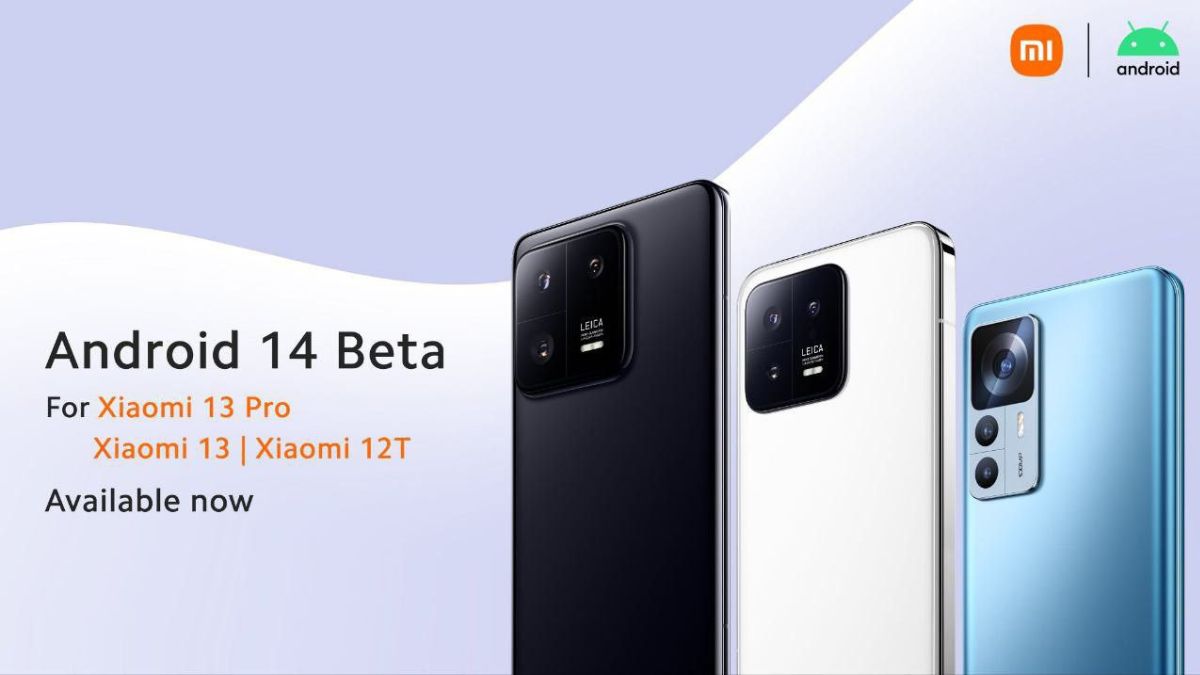
Users can now experience the upcoming operating system on devices from iQOO, Lenovo, Nothing, OnePlus, OPPO, Realme, Tecno, vivo, and Xiaomi. This collaboration ensures a wide range of options for users to participate in the beta testing phase, providing valuable feedback and insights to further refine Android 14 before its official release.
These are the devices that got the Android 14 Beta:
- Google Pixel 4a (5G)
- Google Pixel 5
- Google Pixel 5a
- Google Pixel 6
- Google Pixel 6 Pro
- Google Pixel 6a
- Google Pixel 7
- Google Pixel 7 Pro
- iQOO 11
- Lenovo Tab Extreme (WiFi)
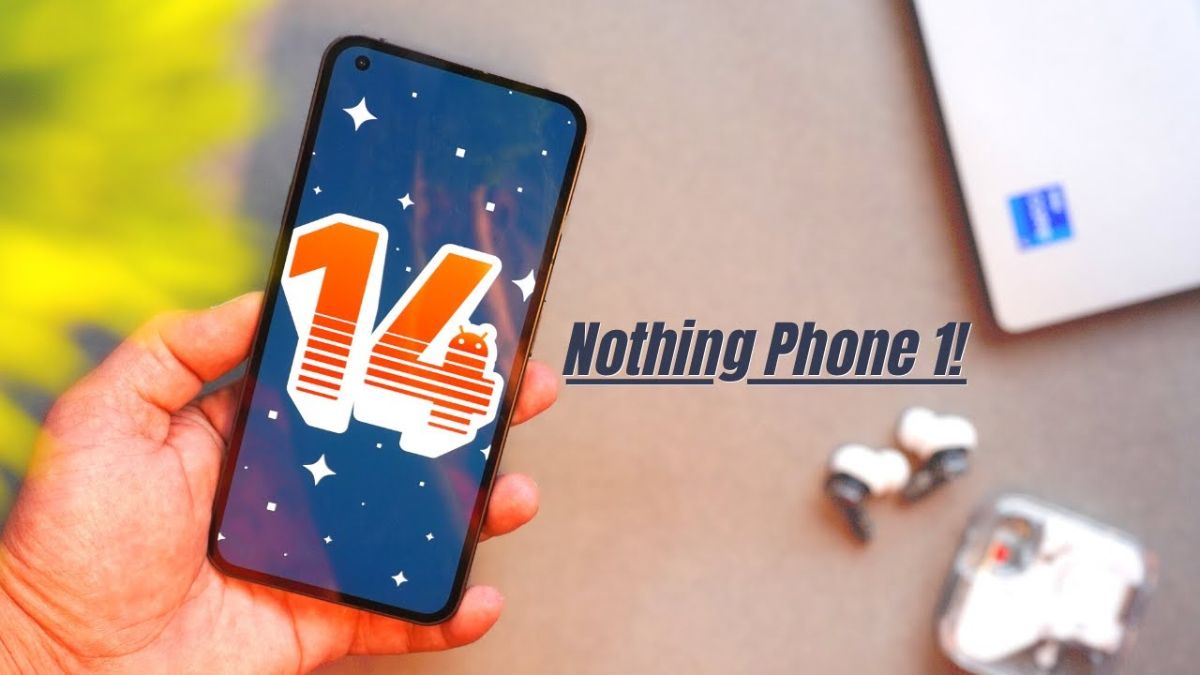
- Nothing Phone (1)
- OnePlus 11
- OPPO Find N2
- OPPO Find N2 Flip
- Realme GT2 Pro
- Tecno Camon 20 series
- Vivo X90 Pro
- Xiaomi 12T
- Xiaomi 13
- Xiaomi 13 Pro
- Xiaomi Pad 6
By extending the Android 14 beta to a wide range of devices, Google aims to gather valuable feedback and insights from both developers and users alike. This collaborative approach ensures that the final release of Android 14 will be polished, feature-rich, and tailored to meet the needs of the diverse Android ecosystem.
The Android 14 Developer Preview provides developers with an opportunity to test their apps on the upcoming operating system and make any necessary adjustments to ensure compatibility. It also allows them to explore new APIs and functionalities, enabling the creation of innovative and optimized apps that take full advantage of Android 14’s capabilities.
For users who are eager to experience the latest features of Android 14, the Developer Preview offers a chance to try out the new software ahead of its official release. However, it’s important to note that beta versions may contain bugs and could impact the overall performance and stability of the device. Therefore, it is recommended to install the Android 14 Beta on secondary or non-essential devices to avoid any potential issues.
Android 14 is expected to bring significant improvements in areas such as performance, battery life, privacy, and user experience. With enhanced app permissions, refined notifications, and a host of other features, Android 14 aims to deliver a seamless and secure mobile experience for users across various brands.
As the beta testing phase progresses, Google will continue to refine and optimize Android 14 based on user feedback and bug reports. The company is committed to ensuring a smooth transition for both developers and users when the final version of Android 14 is officially launched.
Also read:
- OnePlus 9R finally gets OxygenOS 13.1 Update: New TalkBack Feature, Zen Space App and Championship Mode
- OnePlus 8T Started Receiving OxygenOS 13.1 Update
- OxygenOS 13.1 Software Update Tracker for OnePlus Devices
If you like our article, follow us on Google News and Instagram, or join our Telegram Group.
For More Such Updates Follow Us On – Telegram, Twitter, Google News, WhatsApp and Facebook





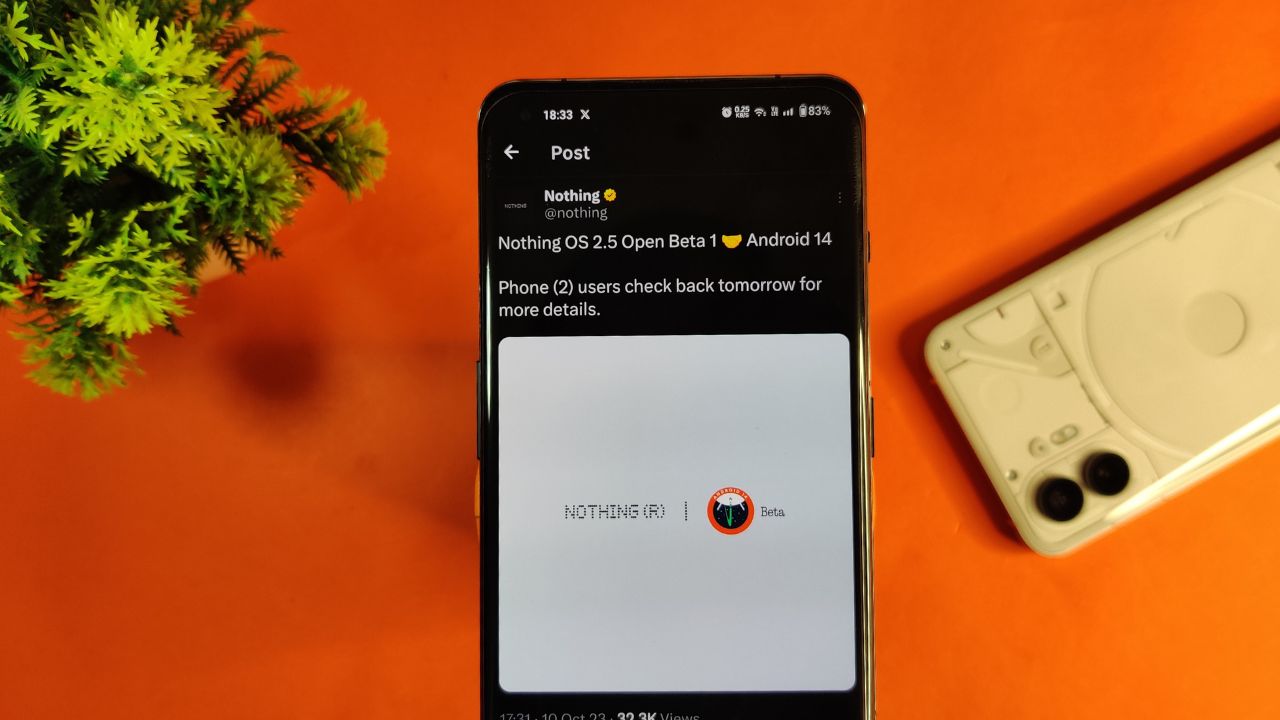
Nothing company has announced its next significant update “Nothing OS 2.5 Open Beta 1” for Nothing Phone (2) users. This new update is based on Android 14. Starting tomorrow, users of the Phone (2) can expect this update on their devices. If there are any special steps needed to install it, the company promises to provide guidance.
The announcement about Nothing OS 2.5 Open Beta 1 came via the company’s official X handle, which used to be known as Twitter. According to their post, more details about this update will be shared on October 11.
However, there’s a bit of a wait on the specifics. Nothing hasn’t yet confirmed the exact time the update will be released. So for now Phone (2) users have to wait for a little while until the next announcement from the company.
For More Such Updates Follow Us On – Telegram, Twitter, Google News, WhatsApp and Facebook
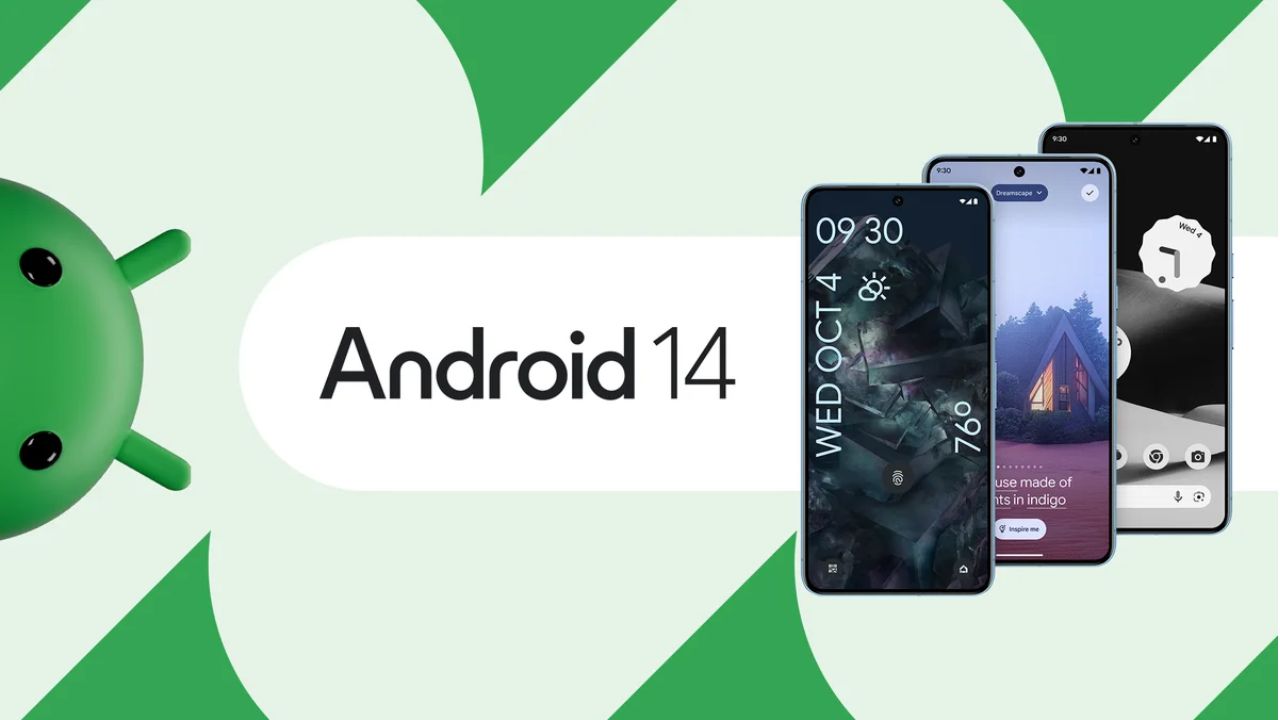
Google’s Pixel devices are now receiving the much-awaited Android 14 update. This follows a preview program that began in February, where several previews and betas were issued. If you own a Pixel 4a 5G or a later model, you can download this latest Android version.
It’s not just Pixel users who can look forward to this update. Companies like Samsung, iQOO, Nothing, OnePlus, Oppo, Realme, Sharp, Sony, Tecno, vivo, and Xiaomi plan to release Android 14 updates for their devices soon.
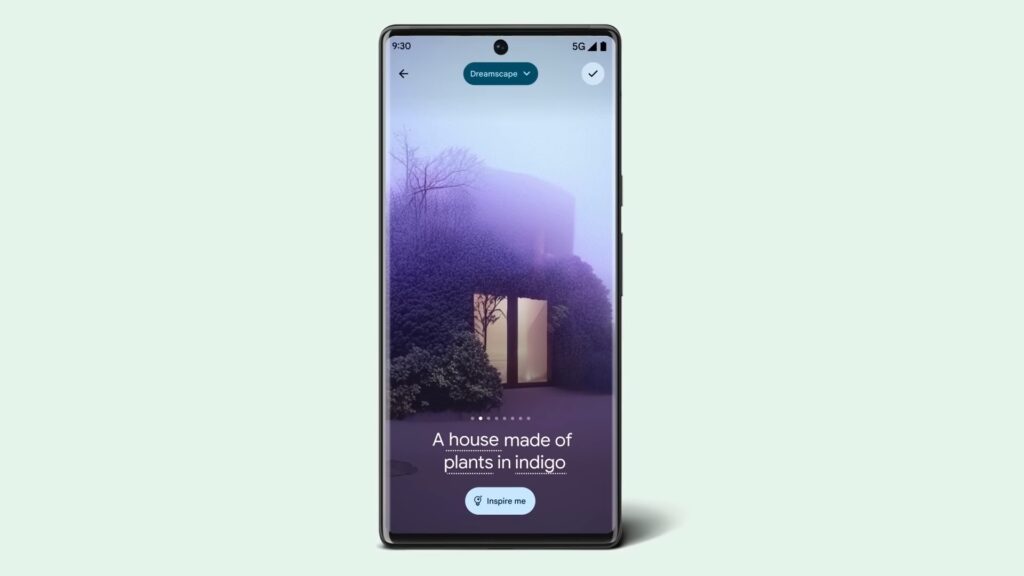
A highlight of Android 14 is its customization features. Google had hinted at these earlier, and now they are a reality. Generative AI wallpapers are making their debut on Pixel 8 and Pixel 8 Pro, backed by advanced text-to-image diffusion models.
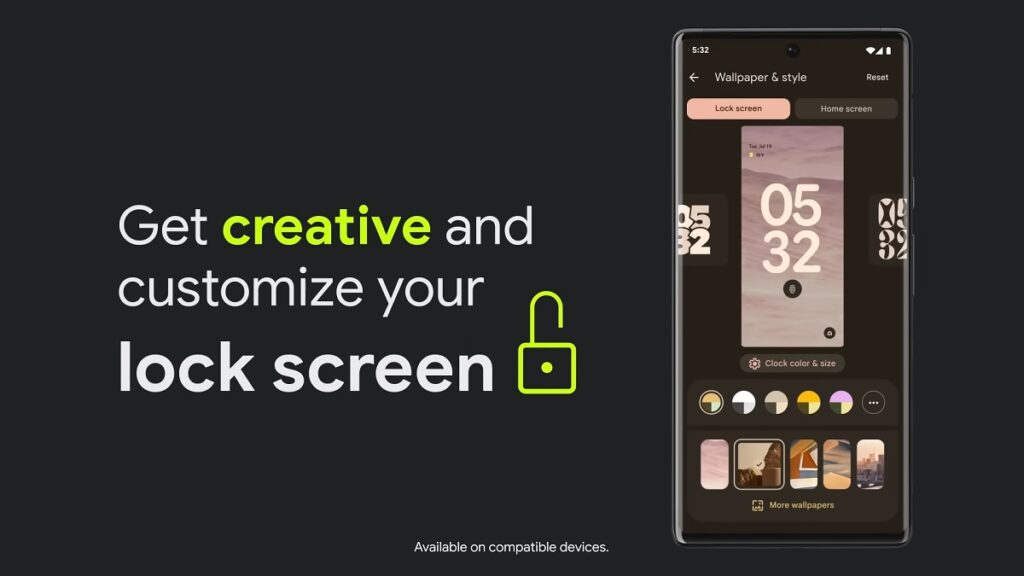
Lock screen personalization has also leveled up. Users can change font styles, choose from different color palettes, and add custom widget shortcuts. This makes it quick and easy to access tools like the QR reader or the Google Home app. There’s even a new feature where the home screen templates adjust dynamically. For instance, if there’s a storm approaching, the weather app widget becomes more noticeable.
Photography enthusiasts will appreciate Android 14’s support for HDR images. The Ultra HDR feature enhances photo quality, making pictures look more vibrant. Audio enhancements are also part of the package, with the inclusion of native spatial audio support, a new media player, and a cross-device copy/paste function.
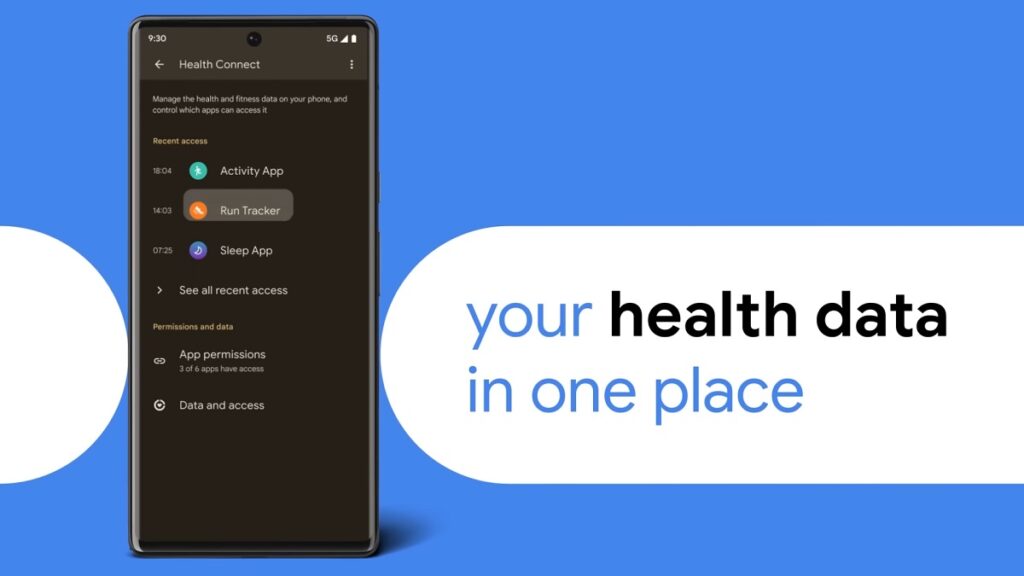
Prioritizing user privacy and security, Android 14 introduces Health Connect. This feature securely stores and encrypts personal health data directly on the device. Users will now also receive alerts if apps want to share location data with third parties, and they have the option to decline such requests.
Improvements extend to passkey features. Android 14 offers enhanced support for fingerprint authentication in external apps. Additionally, there’s a revamped 6-digit PIN lockscreen option.
Accessibility has also been a focus for this update. Users can now magnify content more effectively using the pinch-to-zoom feature and select from various magnification sizes. The quick settings menu offers faster font size adjustments using nonlinear scaling, which makes text easier to read. Hearing aid users will find the dedicated setup in the Accessibility settings beneficial, along with expanded options to direct audio to different outputs.
For More Such Updates Follow Us On – Telegram, Twitter, Google News, WhatsApp and Facebook
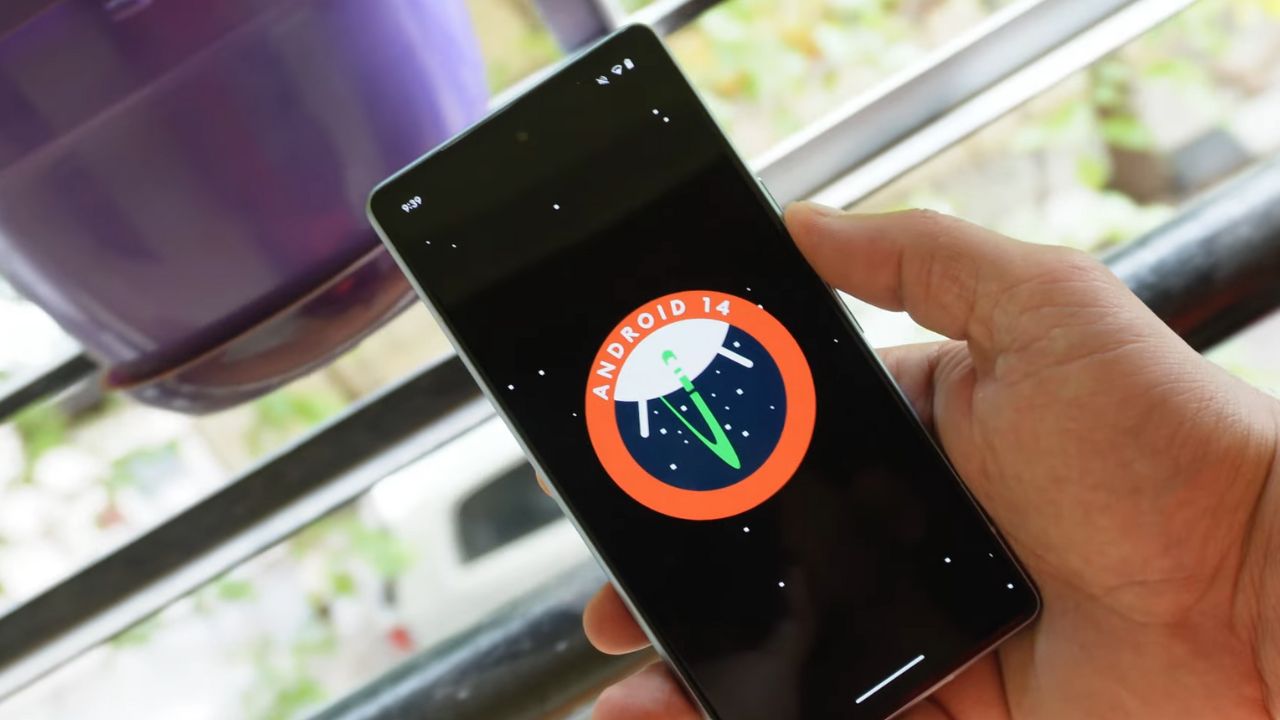
The release of Google’s Android 14 has been much awaited. The latest buzz suggested that it would be unveiled on the same day as the Pixel 8 and Pixel 8 Pro announcement on October 4. While this was initially just a rumor the latest information seems to add some weight to it.
Canadian carrier Telus has provided a clue. They listed software update start dates for the devices they sell. For all Pixel devices beginning with the Pixel 4a the name “Android U” was set for an October 4 rollout.
The term Android U stands for Android Upside Down Cake. This is the inside name for Android 14. Interestingly this detail on Telus’s list was later removed. This change might be because Google noticed the details circulating online and asked Telus to take the information down. This is just a guess. It’s not clear what really happened. There’s a small chance that the initial information was not correct.
But there’s not much waiting left. In less than one day everything will be clear. If Android 14 is set to release on October 4 it is likely that Google will announce it at its big event. So everyone should watch out for that. We will keep you updated on any new developments.
Update: Droid-life.com has updated their article, saying that the information has been removed from the Telus listing as of now.
For More Such Updates Follow Us On – Telegram, Twitter, Google News, WhatsApp and Facebook