
OxygenOS
OnePlus 8 and 8 Pro Grabbed OxygenOS 13 F.64 Update with April 2023 Security Patch

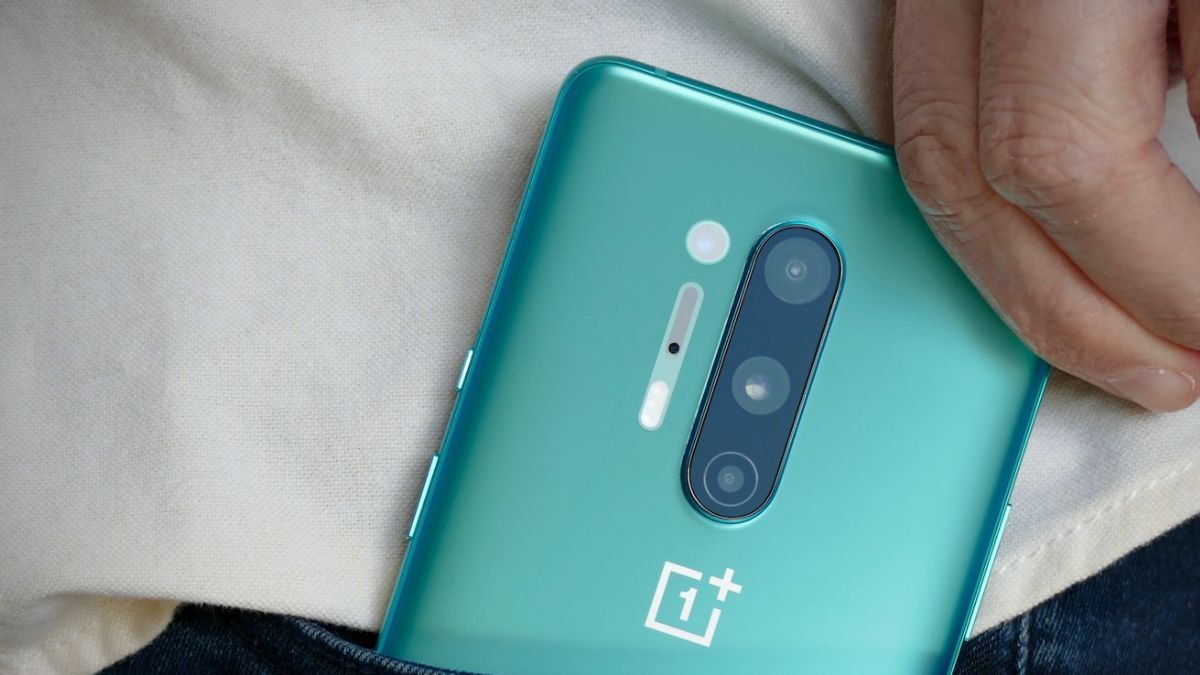
OnePlus has started rolling out an incremental update for OxygenOS 13 F.64 on the OnePlus 8 and 8 Pro. This update brings several improvements and enhancements to the operating system, including the latest April 2023 Android security patch.
The update is being rolled out in stages, starting with a small percentage of users receiving it today, and a broader rollout in the coming days. Users in the IN region can expect to receive the update soon.
One of the main features of this update is the integration of the latest Android security patch, which enhances the system’s overall security. This is an important update as security vulnerabilities can pose a significant risk to users’ personal data and privacy. The April 2023 security patch is expected to fix several critical security issues and bugs, ensuring that users’ devices remain secure and protected.
In addition to security enhancements, this update also includes various bug fixes and performance improvements. These updates help to ensure that the OnePlus 8 and 8 Pro continue to operate smoothly and efficiently.
It’s important to note that this update is incremental, meaning that it will not reach all users at once. The company will first release the update to a small percentage of users and then gradually roll it out to a broader audience. This approach helps to ensure that any issues with the update can be identified and resolved before it reaches a wider audience.

In the above screenshot, OnePlus 8 Pro NA region received an OTA update with software version IN2025_11.F.64 with an update size of 140 MB.

In above OnePlus 8 IN region received an OTA update with software version IN2011_11_F.64. The size of the update is 133.31 MB.
Changelog:
System
• Integrates the April 2023 Android security patch to enhance system security.
To install the OxygenOS 13 F.64 update on your OnePlus 8 or 8 Pro device, follow these steps:
- Go to the Settings app on your device.
- Scroll down and tap on “System”.
- Tap on “System updates”.
- If the update is available for your device, you should see a notification to download and install it. Tap on “Download and install”.
- If the update is not available, tap on “Check for updates”. If the update is still not available, it may take some time before it is rolled out to your device.
- Once the download is complete, tap on “Install now”.
- Wait for the installation process to complete. Your device will automatically restart once the installation is complete.
- Once your device has restarted, it should be running the latest version of OxygenOS 13 F.64.
It’s recommended to back up your data before installing the update, in case anything goes wrong during the installation process. Additionally, make sure your device has enough battery life and storage space to complete the installation.
Also read:
- Finally Google fix the Flickering Issue Bug in Google Messages App
- OxygenOS 13 Stable Update for OnePlus Nord 2: Step-by-Step Guide for Installation
- Asus ROG Phone 7 Wallpapers: Download Now!
If you like our article, follow us on Google News and Instagram, or join our Telegram Group.


OxygenOS
OxygenOS 16.1 July Update: Every New Feature, Eligible Devices, and Missing Features Explained


The OxygenOS 16.1 July Update has started rolling out to several flagship OnePlus smartphones, introducing a range of new AI features, UI refinements, camera improvements, and gaming enhancements. While the update delivers noticeable improvements across supported devices, not every OnePlus smartphone receives the same set of features.
OxygenOS 16.1 July Update Brings Several New Features
OnePlus has introduced a refreshed experience with the July update. One of the most noticeable additions is the Contact Poster feature, allowing users with the OnePlus Dialer to create customized caller images with depth effects and adjustable positioning. Devices using Google’s Phone app will not receive this functionality.
Notification management has also improved. Users can now simply swipe down on supported notifications to expand them instantly without opening the application. In addition, Quick Settings tiles now automatically switch to a darker appearance whenever Dark Mode is enabled, creating a more consistent user interface.
AI Features Expand Inside the Photos App
The Photos application now includes a dedicated Create section that houses several AI-powered tools. These include AI Portrait Glow, AI Eraser, AI Detail Boost, AI-powered collage recommendations, video editing tools, and slow-motion playback suggestions.
Another useful addition is App Call Identification, which can identify unknown callers from supported third-party applications. However, this feature is only available on devices using the OnePlus stock dialer.
Camera and Gaming Receive Meaningful Upgrades
The Camera app now introduces two new filters—Prime Rose and Bold B&W. However, these filters are limited to select devices including the OnePlus 13, OnePlus 13S, and OnePlus 15, while the OnePlus 12 and OnePlus 15R miss out on them.
Gaming enthusiasts also receive improvements. Depending on the device, users can access Gaming Filters for enhanced visuals, Sound Boost for better footstep detection, and Equalizer controls for supported games such as BGMI. Feature availability varies between different OnePlus models.
Device-Specific Limitations
While OnePlus has added customizable fingerprint icons, fingerprint animations, PC Unlock support, and Backup Face recognition to several devices, not every smartphone receives the complete package.
The OnePlus 12, for example, does not receive the Backup Face feature or the latest gaming enhancements. Meanwhile, older devices including the OnePlus 11 series and Nord lineup continue receiving July security updates but do not receive the OxygenOS 16.1 feature set.
Final Thoughts
The OxygenOS 16.1 July Update is one of the most feature-rich monthly updates from OnePlus in recent months. Although feature availability differs depending on the device, supported smartphones gain several quality-of-life improvements, smarter AI tools, camera enhancements, and better gaming capabilities. Users should verify their device eligibility before expecting every feature included in the latest rollout.
Also Read: OnePlus ColorOS Update: Everything OnePlus Users Will Gain and Lose After OxygenOS

OnePlus ColorOS Update is becoming one of the biggest changes in the brand’s history. With OnePlus expected to transition completely from OxygenOS to ColorOS, many users are wondering whether it’s time to switch brands or embrace the new software. The good news is that the experience may not change as much as many people expect.
OnePlus ColorOS Update: Features That Will Stay the Same
OnePlus users can expect the overall user experience to remain familiar. Core elements such as the lock screen, home screen customization, app drawer, icon packs, Shelf, camera interface, and Smart Sidebar are nearly identical between OxygenOS and ColorOS. Most day-to-day tasks will continue to feel the same, making the transition easier for existing users.
OnePlus ColorOS Update: New Features Coming to OnePlus Phones
The move to ColorOS could actually introduce several useful improvements. One of the biggest expected advantages is faster software updates, as OPPO devices often receive updates ahead of their OnePlus counterparts.
Users may also gain access to features such as:
- Native stock dialer with call recording support.
- Additional lock screen themes and wallpapers.
- More AI-powered features through OPPO AI.
- Extra widgets, including IR Blaster controls.
- Better AI assistant integration with multiple language models.
- More flexible battery percentage display options.
OnePlus ColorOS Update: What OnePlus Users Might Miss
While the overall experience remains familiar, a few OxygenOS-exclusive elements could disappear.
The signature red accent used throughout OxygenOS, Never Settle clock styles, Calculator Easter Egg, and some exclusive themes may no longer be available. Quick Settings tiles could also lose their rounded appearance, while a few OnePlus-branded apps and visual elements may be replaced with OPPO branding such as OPPO Share and Snap Key.
OnePlus ColorOS Update: AI Features and Performance Improvements
One area where ColorOS appears to have an advantage is artificial intelligence. OPPO AI introduces more advanced AI capabilities while retaining popular tools like AI Eraser, AI Portrait Glow, AI Image Enhancement, and smart assistant features. These additions could make the software more feature-rich than the current OxygenOS experience.
Final Thoughts
The transition from OxygenOS to ColorOS may sound significant, but in reality, most OnePlus users are unlikely to notice major differences in daily usage. The familiar interface remains largely intact, while faster updates, improved AI capabilities, and additional software features could actually make the overall experience better.
For longtime OnePlus fans, the branding may change, but the core user experience is expected to remain surprisingly familiar.
Also Read: OxygenOS 16.1 vs One UI 9: Which Android Skin Offers Better Customization in 2026?

OxygenOS 16.1 vs One UI 9 is one of the most searched Android software comparisons in 2026, especially among users planning to switch between OnePlus and Samsung smartphones. Both Android skins offer extensive customization, AI-powered features, and unique user experiences, but they excel in different areas. In this comparison, we’ll break down the major differences between OxygenOS 16.1 and One UI 9 to help you decide which software provides the better stock Android customization experience.
OxygenOS 16.1 vs One UI 9: Which Offers Better Customization?
Samsung’s One UI 9 makes lock screen editing much more convenient by allowing users to customize everything directly from the lock screen. It also includes AI-generated wallpapers, animated wallpapers, weather effects, and intelligent frame suggestions for photos.
OxygenOS 16.1, on the other hand, requires users to access the customization menu through Settings. However, it compensates with premium theme collections, attractive depth effects, stylish clocks, and more personalized lock screen themes. While Samsung offers more AI-driven features, OxygenOS delivers a cleaner and more elegant visual experience.
Always-On Display and Fingerprint Experience
OnePlus clearly takes the lead in this department. OxygenOS 16.1 offers full-screen Always-On Display styles, multiple fingerprint animations, customizable fingerprint icons, and various personalization options that Samsung currently lacks.
The latest update also separates fingerprint icons and animations, allowing users to mix and match them independently for a more customized unlocking experience.
Home Screen Gets Smarter
One of the biggest additions in OxygenOS 16.1 is AI-powered home screen organization. Users can automatically arrange apps by category or icon color, restore previous layouts, enlarge app icons, and access app shortcuts directly from the home screen.
Samsung still offers widget stacking and a polished launcher, but it misses several advanced organization features that make OxygenOS feel more modern and productive.
App Drawer and Widgets
OxygenOS 16.1 introduces categorized app drawers along with a unique color-based app filter, making it easier to locate installed applications. Widgets also offer better animations and can even be renamed, adding another layer of personalization.
Samsung’s implementation remains simple and functional but lacks these additional customization options.
Control Center: Samsung Still Wins
This is one area where One UI 9 stays ahead. Samsung allows extensive Quick Settings customization, including flexible tile arrangements and layout adjustments. OxygenOS still provides only basic editing options, making Samsung’s Control Center more versatile for power users.
Final Verdict
If your priority is AI wallpapers, lock screen editing, and a highly customizable Control Center, One UI 9 remains an excellent choice.
However, if you value deeper personalization, smarter home screen organization, richer Always-On Display options, fingerprint customization, and a cleaner overall interface, OxygenOS 16.1 delivers the stronger stock Android customization experience. With its latest additions, OnePlus has narrowed the gap significantly and even surpassed Samsung in several key areas.
Also Read: OnePlus 11 July Update Review: OxygenOS 16.0.5 Brings Better Battery but No OxygenOS 16.1 Yet