
OxygenOS
Oneplus 9RT gets Stable OxygenOS 13 based on Android 13 – Everything you need to Know

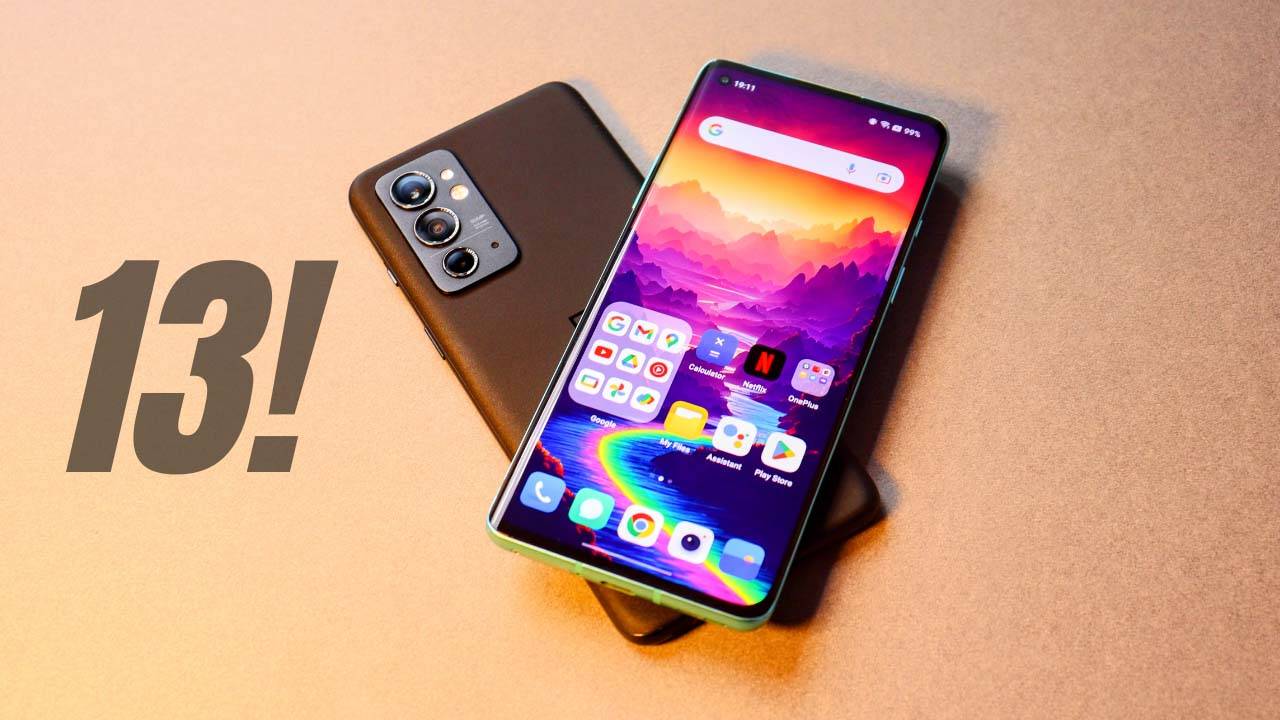
Are you a Oneplus 9RT user? I have some happy news for you. OxygenOS 13 F.11 for the Oneplus 9RT is now available from Oneplus. Oneplus released OxygenOS 13’s stable version, version F.11, after only two open betas. Oneplus 9RT gets Stable OxygenOS 13 based on Android 13 – Everything you need to Know.
My YouTube username is Techibee, and my name is Ashok. I’ve been creating videos for YouTube for the past six years in addition to writing blogs for the previous four. We’ll provide you the details you need about this new upgrade for the Oneplus 9RT with OxygenOS 13 version F.11 today. Oneplus is rolling out a stable build over beta 2 for beta testers, and it includes several fixes over the previous beta 2 update. It is a phased rollout, so it may take some time to download to your smartphone over the air (Ota).
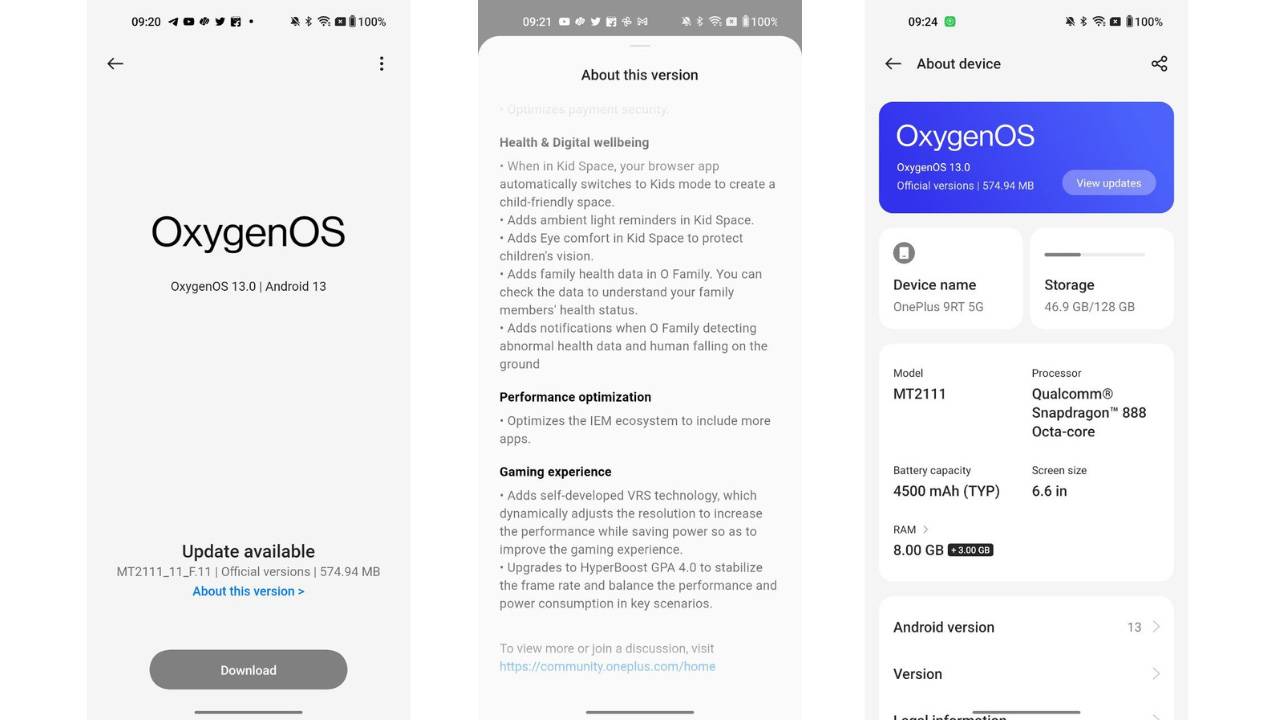
Changelogs of Stable OxygenOS 13 for Oneplus 9RT
Aquamorphic Design
- Adds Aquamorphic Design theme colors for enhanced visual comfort.
- Applies the Aquamorphic Design philosophy to animations to make them natural and vivid.
- Adds Shadow-Reflective Clock, with shadow simulating the orientation of the sun and moon.
- Adds a Home screen world clock widget to show the time in different time zones.
- Upgrades to Quantum Animation Engine 4.0, with a new behavior recognition feature, which recognizes complex gestures and provides optimized interactions.
- Optimizes UI layers for clearer and neater visual experience.
- Applies real-world physical motions to animations to make them look more natural and intuitive.
- Adapts responsive layouts to accommodate different screen sizes to improve readability.
- Optimizes the widget design to make information easier and quicker to find.
- Optimizes fonts for better readability.
- Enriches and optimizes illustrations for features by incorporating multicultural and inclusive elements.
Efficiency
- Adds Meeting Assistant to enhance the meeting connecting and note-taking experience and introduces an option to make notifications more subtle and less distracting.
- Adds support for one-tap meeting joining and smart meeting minutes to improve work efficiency.
- Adds large folders to the Home screen. You can now open an app in an enlarged folder with just one tap and turn pages in the folder with a swipe.
- Adds a new type of Always-On Display that shows live information about music, ride-hailing, and food delivery. (Supports only some apps)
- Adds NFC university card. You can now use your phone as your university card. (This feature is only available in some universities.)
- Adds support to double tap the power button to show your health code.
- Adds media playback control, and optimizes the Quick Settings experience.
- Adds smart event management and conflict reminders to help with your scheduling.
- Adds support for one-tap calendar sync to DingTalk and one-tap sync of email events.
- Adds support for event recognition. You can use screen recognition to recognize and sync the events on the current screen to Calendar with one tap.
- Adds more markup tools for screenshot editing.
- Adds support for adding widgets to the Home screen, making information display more personalized.
- Upgrades Recorder. Search capabilities are enhanced and exporting images and text is supported.
- Optimizes Breeno Suggestions to make scenario-based suggestions for apps and services.
Seamless interconnection
- Upgrades to Multi-Screen Connect 2.0. You can answer or hang up calls on a connected PC and even switch a call between your phone and PC.
- Optimizes Multi-Screen Connect. You can open multiple mobile apps on a connected PC for efficient multitasking.
- Optimizes Screencast, with cast content automatically adapting to the target screen.
Personalization
- Adds more Omoji materials to cover more scenarios. Omoji now supports to set the contacts avatars, fully expressing yourself with more customized avatars.
- Adds Insight Always-On Display, with more personalized Always-On Display settings available.
- Optimizes Portrait Silhouette Always-On Display, with more drawing tools and line colors available.
Security & privacy
- Adds an automatic pixelation feature for chat screenshots. The system can identify and automatically pixelate profile pictures and display names in a chat screenshot to protect your privacy.
- Adds smart permission suggestions to improve security.
- Adds a feature to prevent malicious attempts to lure users into installing apps, supporting smart blocking of malicious pop-ups and promotions.
- Adds regular clearing of clipboard data for privacy protection.
- Optimizes Private Safe. The Advanced Encryption Standard (AES) is used to encrypt all files for enhanced security of private files.
- Optimizes payment security.
Health & Digital wellbeing
- When in Kid Space, your browser app automatically switches to Kids mode to create a child-friendly space.
- Adds ambient light reminders in Kid Space.
- Adds Eye comfort in Kid Space to protect children’s vision.
- Adds family health data in O Family. You can check the data to understand your family members’ health status.
- Adds notifications when O Family detecting abnormal health data and human falling on the ground
Performance optimization
- Optimizes the IEM ecosystem to include more apps.
Gaming experience
- Adds self-developed VRS technology, which dynamically adjusts the resolution to increase the performance while saving power so as to improve the gaming experience.
- Upgrades to HyperBoost GPA 4.0 to stabilize the frame rate and balance the performance and power consumption in key scenarios.
How to Install Stable OxygenOS 13 on Oneplus 9 RT
.
Stable OxygenOS 13 Links
- OnePlus 9RT: OxygenOS 13 F.11 Stable
If you like our article then follow us on Google news, and Instagram, or join our Telegram Group. For the latest TechNews and Reviews, follow Techibee on Twitter and Facebook, and subscribe to our Youtube channel.
For More Such Updates Follow Us On – Telegram, Twitter, Google News, WhatsApp and Facebook











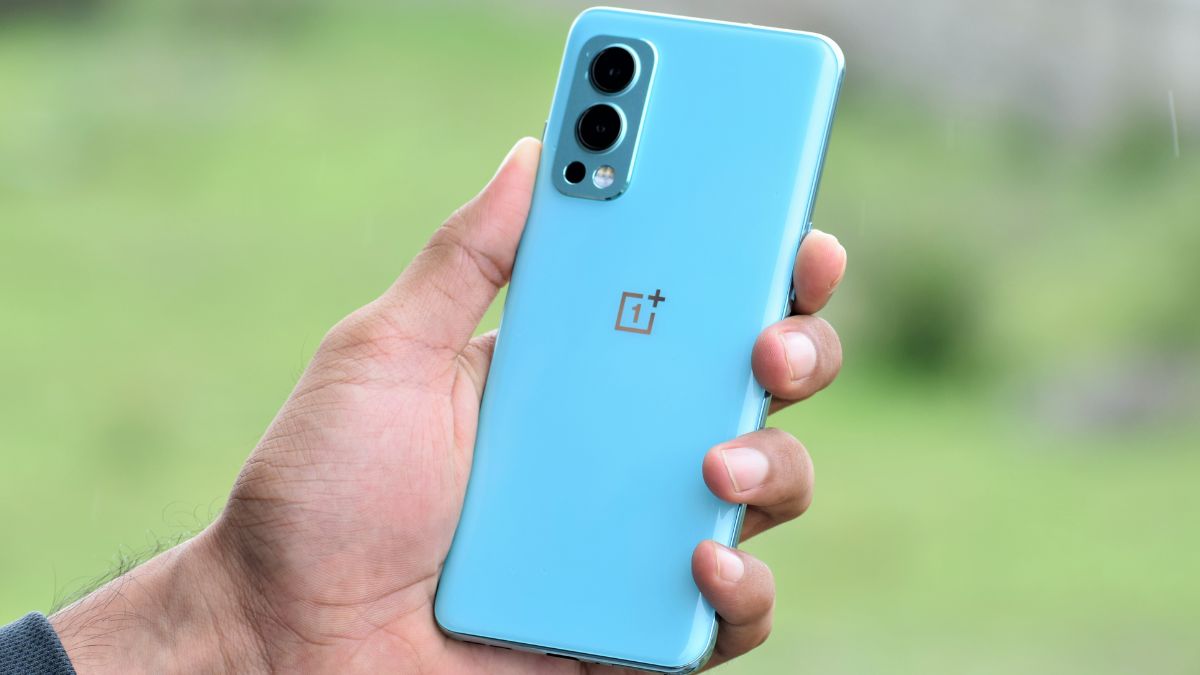
OnePlus, a Chinese Tech Giant has started rolling out the OxygenOS 13 F.50 update for the OnePlus Nord 2 5G in India. This update is based on the January 2024 security patch. As like the previous F.49 update, this new F.50 is also based on OxygenOS 13 which is based on Android 13.
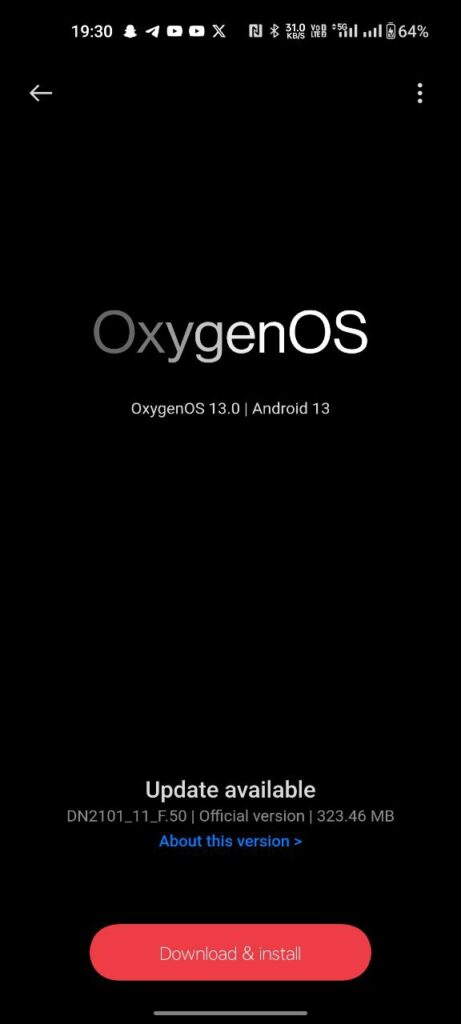
If we talk about the build number. So, the build number of the update is identified as OxygenOS 13 DN2101_11_F.49. Also, the size of the update is 323.46 MB.
Also, the changelog for this update is listed below:
System
- Integrates the January 2024 Android security patch to enhance system security.
- The Background Stream feature in the Smart Sidebar has been removed.
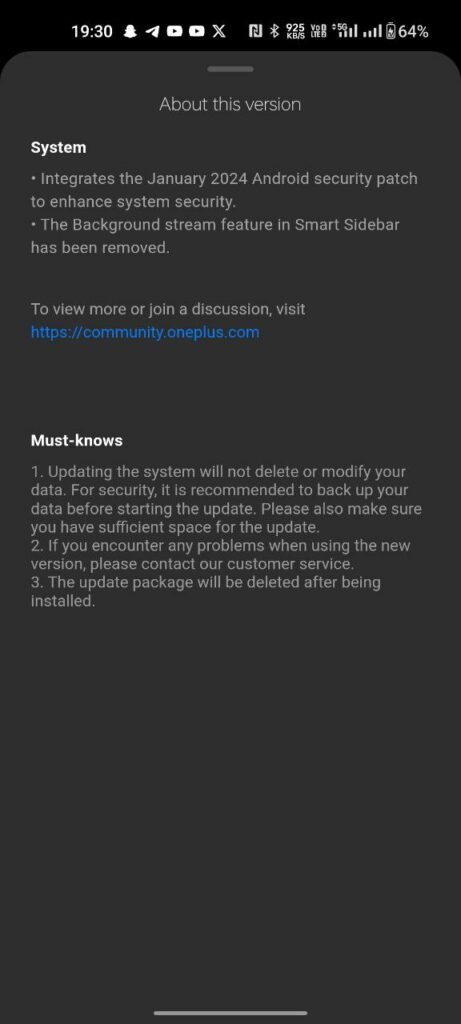
With this new F.50 update, OnePlus has removed the background stream feature from the Smart Sidebar. As you can see clearly in the above image the update size is 323.46 MB which is less. So, don’t expect many changes or add-ons. This update only improves the system stability and performance with the new January 2024 security patch.
Note: If you want to know why Background Stream was removed from the Smart Sidebar, then check out this.
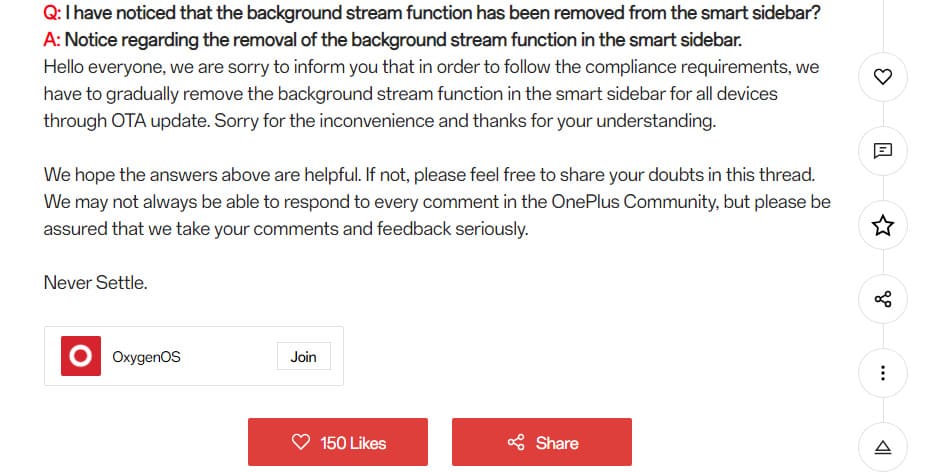
How to Update?
To update your OnePlus Nord 2 5G to OxygenOS 13 F.49. Whenever you get the update notification, click on it. You can also check manually by going into Settings> About Device> Click on Blue Color OxygenOS Box. Click On Download and then, click on Install.
Note: You have to make sure that your device is sufficiently charged, i.e. 50% of its storage, before installing the update.
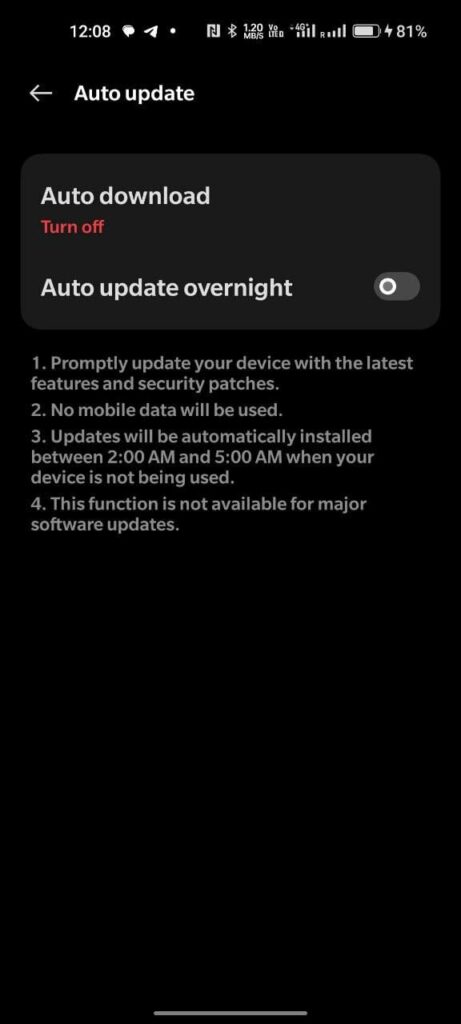
Also, if you don’t want to update your phone after downgrading. Then do keep in mind to change Auto Update to Turn Off and also toggle off the Overnight option.
For More Such Updates Follow Us On – Telegram, Twitter, Google News, WhatsApp and Facebook
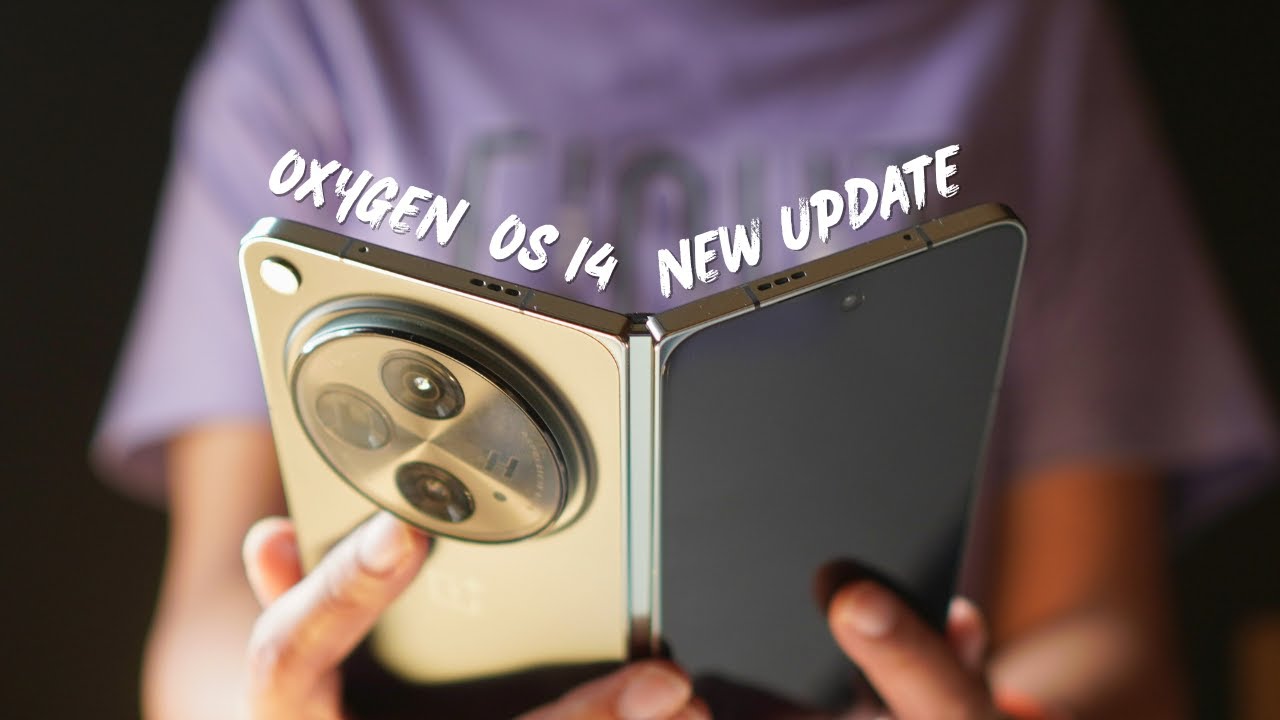
After beta builds, OnePlus has started rolling out stable OxygenOS 14 based on the Android 14 update for its foldable phone, i.e. OnePlus Open. The stable update is first given to those OnePlus Open owners who have participated in Open or Closed Beta versions, and after that, it will be available for all OnePlus Open users. If we talk about the changelog and
What are the changes and new add-ons to this update?
First, let’s talk about the build version. So, the build number of this update is identified as CPH2551_14.0.0.400(EX01). The changelog for this update is listed below:
Changelog:
- Adds Aqua Dynamics, a way of interaction with morphing forms that allows you to view up-to-date information at a glance.
Smart efficiency
- Adds File Dock, where you can drag and drop to transfer content between apps and devices.
- Adds Content Extraction, a feature that can recognize and extract text and images from the screen with one tap.
- Adds Smart Cutout, a feature that can separate multiple subjects in a photo from the background for copying or sharing.
Cross-device connectivity
- Improves Shelf by adding more widget recommendations.
Security and privacy
- Improves photo and video-related permission management for safer access by apps.
Performance optimization
- Improves system stability, the launch speed of apps, and the smoothness of animations.
Aquamorphic Design
- Upgrades Aquamorphic Design with a natural, gentle, and clearer color style for a more comfortable color experience.
- Adds Aquamorphic-themed ringtones and revamps the system notification sounds.
- Improves system animations by making them even smoother.
User Care
- Adds a carbon tracking AOD that visualizes the carbon emissions you avoid by walking instead of driving.
How to Update?
To update your OnePlus Open, first, you have to Open Settings > About Device > Click on Blue Colored OxygenOS Version Box > Click on Download.
If you have not received the OxygenOS 14 stable update on your OnePlus Open, and you want to update it instantly, then check that your phone is running on the CPH2551_13.2.0.301 version. If you are on this version, then Go to Settings > About device > tap up to date > tap icon on the top right > beta program > follow the steps to apply > check for updates.
Note: This will only work for the Indian (IN) users.
Have you got the OxygenOS 14 stable update on your OnePlus Open? Do let us know in the comment box. Also, tell us whether you like this post or not.
Note: Before updating your phone, do keep in mind that your phone must be charged above 30%. Also, do remember that at least 5GB of space must be available on your phone for this update.
How to Rollback OnePlus Open from OxygenOS 14 to OxygenOS 13?
If you want to roll back to OxygenOS 13, then first you have to download the rollback/downgrade file by clicking here.
After downloading the rollback/downgrade, you have to enable the developer option by going into Settings > About device > Version > Click Build number 7 times and enter the password; now you are in developer mode.
Then, to do a local update, Go back to Settings > About device > Up to date > Click the top right button > Local install > Click on the corresponding rollback package > Extract > Upgrade > System upgrade completed to 100%.
For More Such Updates Follow Us On – Telegram, Twitter, Google News, WhatsApp and Facebook

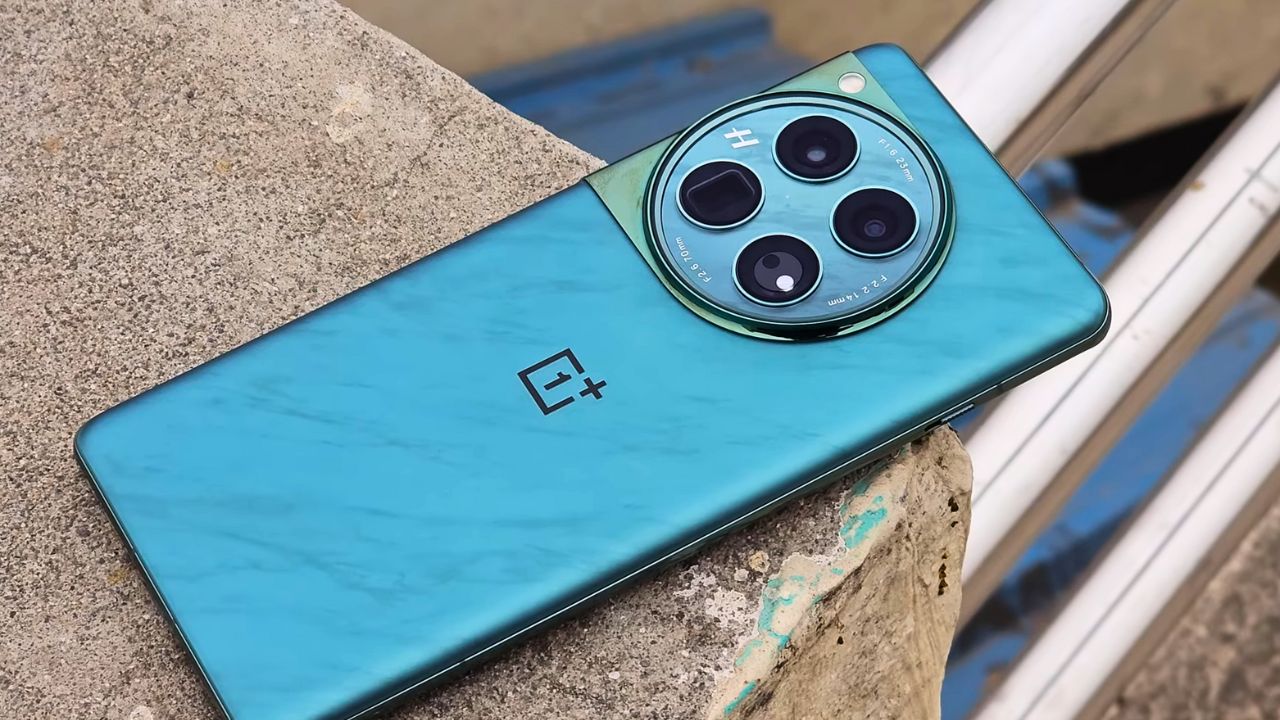
The OnePlus 12, the latest flagship smartphone from the OnePlus company has just received its first major update since launch. This update brings improvements and new features to enhance the overall user experience of the device. It also integrates the January 2024 Android security patch for better system security.
This update can be identified for the OnePlus 12 with its firmware version CPH2573_14.0.0.404(EX01) and its size is 1.40 GB. This update will be rolling out it in stages, so it will take some time to reach all the users.
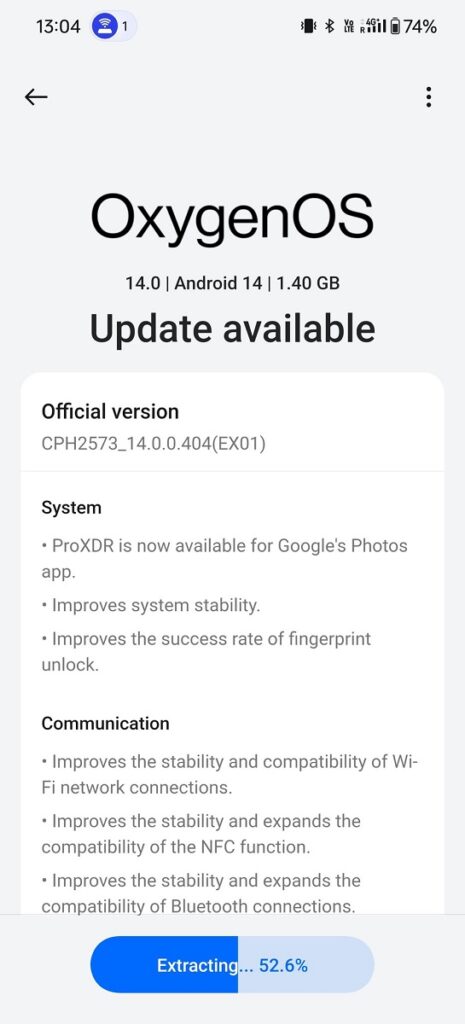
OxygenOS 14.0.0.404 for OnePlus 12
The OxygenOS 14.0.0.404 update for OnePlus 12 brings ProXDR compatibility to the Google Photos app, enhancing the viewing experience with more vivid and dynamic colors. There are improvements in the overall stability of the system, ensuring smoother performance. The success rate of the fingerprint unlock feature has been improved, offering a more reliable and faster unlocking experience.
This update also enhances the stability and compatibility of Wi-Fi connections, ensuring a more consistent and reliable internet experience. The NFC functionality has seen improvements in both stability and compatibility, expanding its range of use. The Bluetooth connectivity has been improved, offering a more stable and broader range of compatibility with devices.
A significant addition to the camera features is the Master mode, which now includes Hasselblad color tuning. This mode is designed to enhance photos with more natural and vibrant colors, bringing professional-grade color accuracy and quality to everyday photography.
Changelog:
System
- ProXDR is now available for Google’s Photos app.
- Improve system stability.
- Improves the success rate of fingerprint unlock.
Communication
- Improves the stability and compatibility of Wi-Fi network connections.
- Improves the stability and expands the compatibility of the NFC function.
- Improves the stability and expands the compatibility of Bluetooth connections.
Camera
- Adds Master mode that features Hasselblad color tuning to enhance your photos with more natural and vibrant colors.
For More Such Updates Follow Us On – Telegram, Twitter, Google News, WhatsApp and Facebook