
Science
Chandrayaan-3 Set for Historic Moon Landing Today; ISRO’s Vikram Lander to Touch Down at 6:04 pm

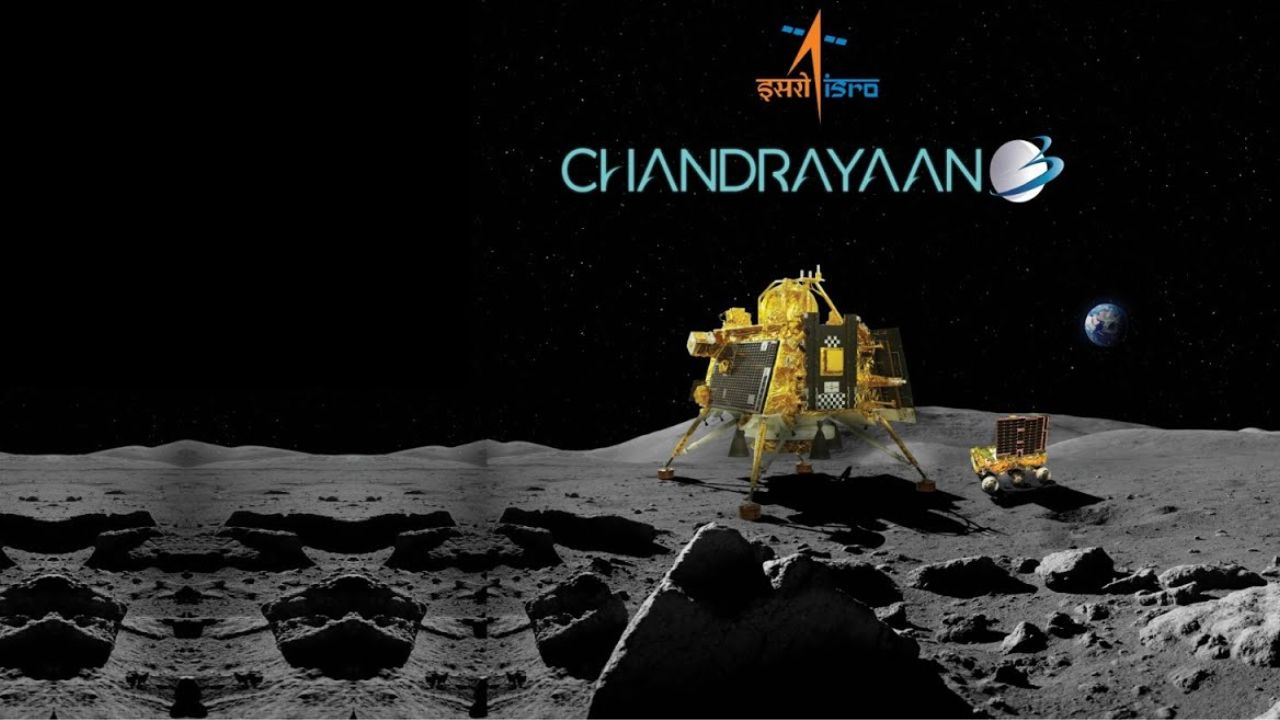
India’s Chandrayaan-3 Lunar Mission Poised for Crucial Moon Landing Today
After a journey that began with a launch in July, India’s third lunar mission, Chandrayaan-3, is on the brink of an ambitious and historic moment: landing on the Moon’s surface. The nation’s collective eyes are on the Indian Space Research Organisation (ISRO) as they attempt to make history with Vikram Lander Module, set to land at approximately 6:04 pm today.
Following the landing, Vikram will deploy the Pragyan rover, allowing for further exploration of the lunar surface and continuing India’s advancements in space technology.
The Chandrayaan-3 mission’s success hangs on the final moments leading up to the landing. Experts have pinpointed the last 15 to 20 minutes as the most critical phase of the mission. During this time, the Automatic Landing Sequence (ALS) will be initiated, putting Vikram in command. The lander’s onboard computers will use their logic systems to identify a suitable landing spot and ensure a gentle touchdown on the Moon.
The nation’s hearts and minds are with the ISRO team as Indians around the globe pray for a successful Chandrayaan-3 landing.
The memory of India’s second lunar mission, which unfortunately failed during the last moments before landing, looms large. This historical context has led ISRO to approach Chandrayaan-3’s landing with extra caution.
The precarious moments leading up to the landing are fraught with high risk. Many have referred to this critical phase as the “20 or 17 minutes of terror.” During this autonomous stage, Vikram will have to ignite its engines at precise times and altitudes, leaving no room for error.
How to watch Chandrayaan-3 Moon Landing?
The excitement and anticipation surrounding Chandrayaan-3’s Moon landing are palpable, not only within India but around the world. For those eager to witness this momentous event, a direct link to watch Vikram LM’s landing live on YouTube is available here.
For More Such Updates Follow Us On – Telegram, Twitter, Google News, WhatsApp and Facebook




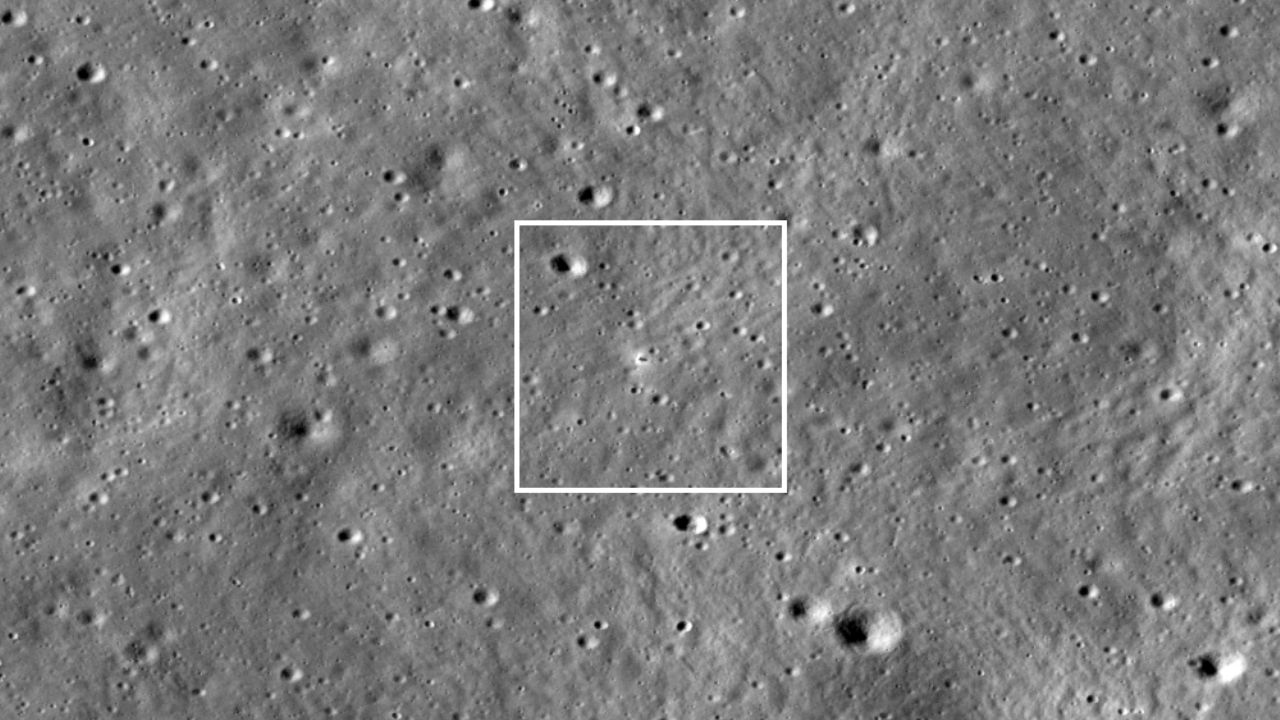
In some exciting moon news, NASA’s special spaceship (Lunar Reconnaissance Orbiter or LRO) has taken a picture of the Chandrayaan-3 mission’s Vikram lander on the moon’s surface. This happened after the Indian Space Research Organisation (ISRO) showed us a 3D picture of the lander taken by their Pragyaan rover. The NASA picture gives us a cool view from the top, like how birds see things.
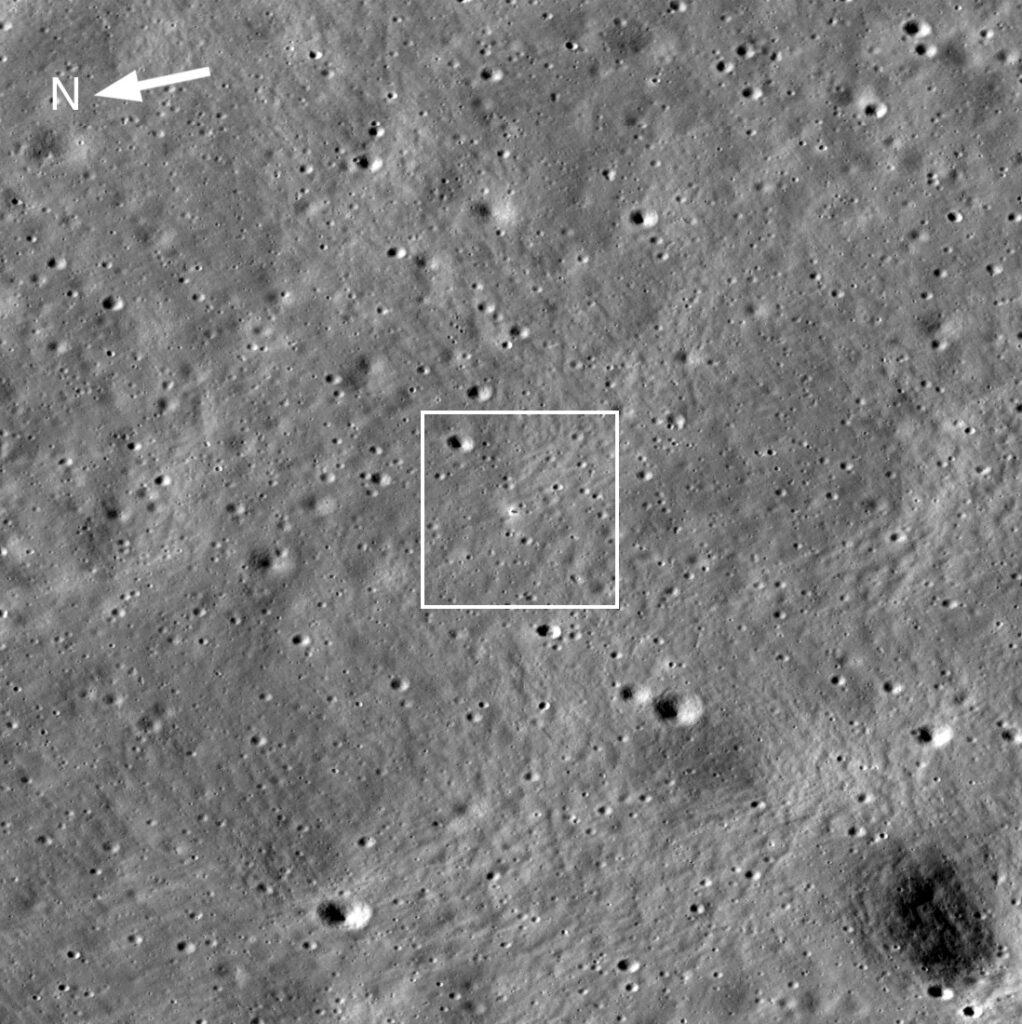
The Lunar Reconnaissance Orbiter is like a smart robot spaceship from NASA that goes around the moon in a funny way. It takes pictures and gives NASA important information for planning trips to the moon. NASA’s planning to send people and robots to the moon as part of something called the Artemis program.
The new NASA picture shows where Chandrayaan-3’s lander landed on the moon. It’s about 600 kilometers from the bottom of the moon. The picture has a shiny circle in it because when the lander’s rockets touched the moon’s dirt, it made a bright mark.
Now, here’s the thing: The Chandrayaan-3 mission put its lander and rover to sleep mode on September 3 because it was getting dark on the moon. The mission was designed to work for just one lunar day, which is like two weeks on Earth.
The head of ISRO, S. Somnath, explained, “We are going to make them (the lander and rover) sleep soon so they can stay safe during the night. Right now, the rover’s battery is full. It’s waiting for the moon’s sun to wake up again on September 22, 2023. We’ve left the receiver on.”
But here’s the cool part: Even though the mission was supposed to end after two weeks, ISRO hopes the lander and rover might wake up and work again when the moon’s sun rises. This is a bit like hoping your phone works after it gets really cold. If the instruments on the lander and rover can survive the super cold and dark moon night, they might just come back to life when the sun shows up.
(Source)
For More Such Updates Follow Us On – Telegram, Twitter, Google News, WhatsApp and Facebook
News
Chandrayaan-3’s Vikram Lander Captures Unique Images of Lunar Craters: An Unprecedented Insight into Moon’s Far Side
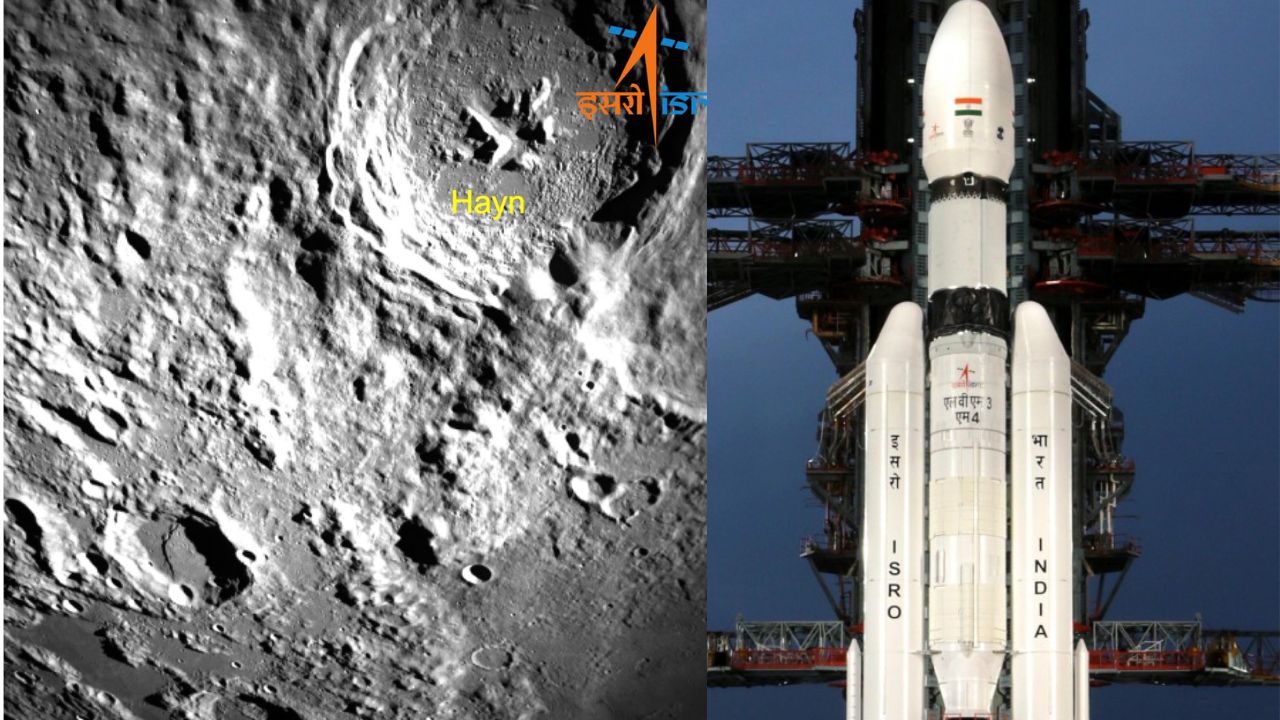
In a groundbreaking discovery, the Chandrayaan-3‘s Vikram lander has relayed images identifying significant craters on the Moon’s far side, an uncharted area that perpetually remains hidden from Earth’s view. This unveiling came ahead of the lander’s planned historic touchdown on the unexplored lunar south polar region set for Wednesday evening.
The pictures, taken last Saturday, offer a remarkable glimpse of the craters named Hayn, Boss L, Mare Humboldtianum, and Bel’kovich. These images were captured by the Lander Hazard Detection and Avoidance Camera (LHDAC), a specialized camera developed at SAC/ISRO, exclusively designed to locate a safe landing area free from obstacles like boulders and deep trenches.
Announcing the feat on X, the social media platform previously known as Twitter, the Indian Space Research Organisation (ISRO) stated: “Here are the images of Lunar far side area captured by the Lander Hazard Detection and Avoidance Camera (LHDAC). This camera that assists in locating a safe landing area during the descent is developed at SAC/ISRO.”
The far side of the Moon, often referred to as the “dark side,” always faces away from Earth due to synchronous rotation in the Moon’s orbit. This unique characteristic makes the region largely unexplored and mysterious.
The Vikram lander’s scheduled touchdown at 6:04 pm on Wednesday in the Moon’s south polar region is eagerly awaited by scientists and space enthusiasts worldwide. If successful, India will etch its name in history, joining an elite club comprising the United States, Russia, and China as the only nations to have achieved this incredible feat.
For More Such Updates Follow Us On – Telegram, Twitter, Google News, WhatsApp and Facebook