
Asus
Asus Zenfone 10 Introduces Wireless Charging and Next-Level Gimbal Stabilization

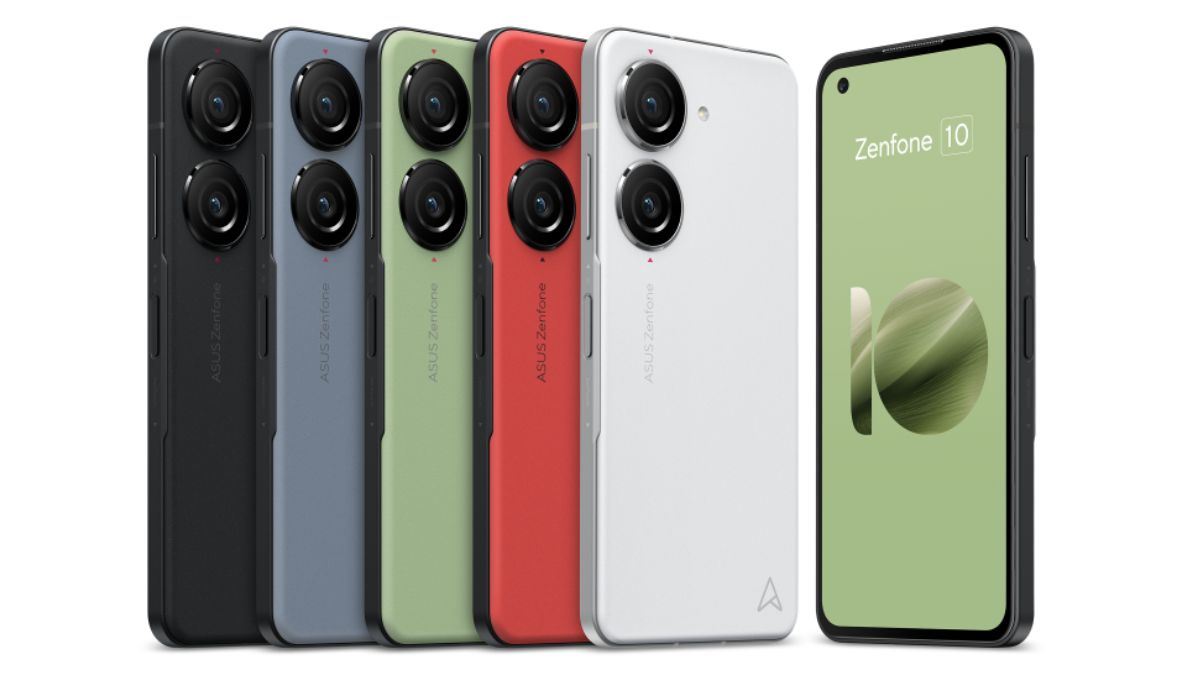
In an exciting update, Asus has unveiled the all-new Asus Zenfone 10, showcasing significant improvements over its predecessor. Although the front design remains unchanged, closer inspection reveals a range of updates that enhance the overall user experience.
The Asus Zenfone 10 debuts with the latest Snapdragon 8 Gen 2 chipset, offering up to 16GB of RAM. This upgraded processor enables the device to deliver 15% faster computing power and 20% improved gaming performance. Moreover, the Zenfone 10 showcases an impressive 15% increase in energy efficiency, resulting in a nearly 13% boost in battery endurance for its 4,300mAh battery. Notably, Asus has addressed one of the main criticisms of the Zenfone 9 by introducing 15W Qi wireless charging support, complemented by the existing 30W wired HyperCharge feature.
The device retains its 5.9-inch 1080x2400px AMOLED display but upgrades to a 144Hz refresh rate, elevating the user experience. While the highest refresh rate is primarily reserved for gaming, the Zenfone 10’s display still offers a smooth 120Hz experience for everyday usage. With these enhancements, the Zenfone 10 maintains its position as one of the few compact flagship phones available in the market.
The display itself boasts exceptional features, including DCI-P3 calibration, below-1 Delta-E color accuracy, a peak brightness of 1100 nits, and Gorilla Glass Victus protection.
Asus has made subtle changes to the rear design, while retaining the brand’s recognizable logo, as seen in its predecessor, the Zenfone 9. Additionally, two new striking color options, Eclipse Red and Aurora Green, join the existing Midnight Black, Comet White, and Starry Blue palette.
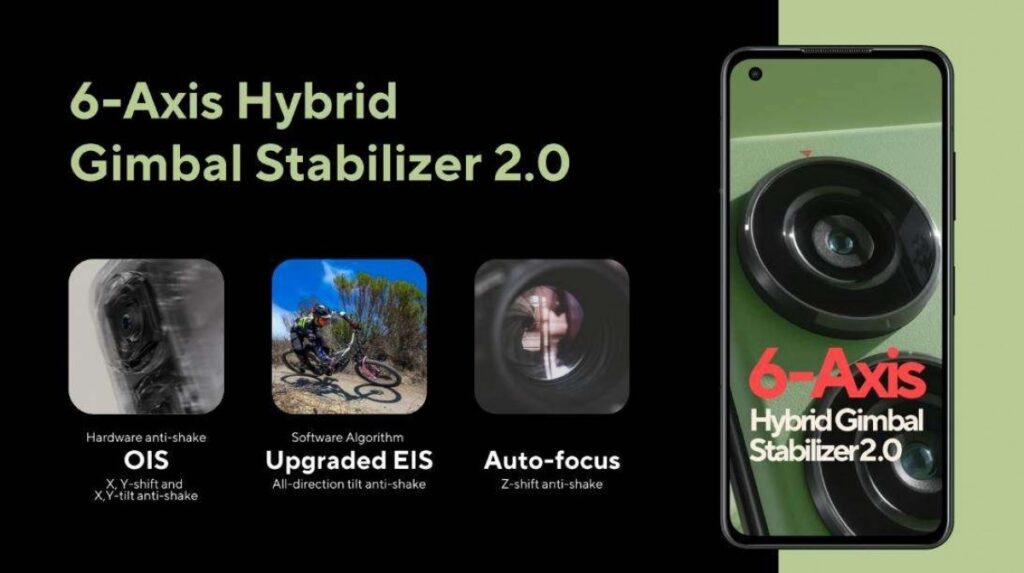
The camera setup has also undergone significant improvements. The primary camera now features a 50MP 1/1.56-inch sensor with a 24mm f/1.9 lens and has been upgraded with the second-generation 6-Axis Hybrid Gimbal Stabilization technology. The Zenfone 10 also includes a 12MP ultrawide camera and a 32MP selfie camera. While the ultrawide and selfie cameras have lost their autofocusing capabilities, Asus promises substantial enhancements to the new camera’s night mode imaging.
The gimbal system, which stabilizes the main camera, is expected to impress, considering the Zenfone 9’s already impressive stability. Utilizing the gyroscope, the gimbal detects camera shake and combines electronic image stabilization with optical stabilization, resulting in steady shots. The adaptive electronic image stabilization intelligently chooses the optimal field of view and can crop the image further if necessary, ensuring the best possible stability.
One standout feature of the Zenfone 10 is the Light Trail mode, made possible by the gimbal system. This mode allows users to capture stunning handheld shots of traffic trails, light graffiti, and long-exposure waterfall and people-in-motion photos.
In a commitment to environmental sustainability, the Asus Zenfone 10 ships in an eco-friendly box made without adhesive, using recycled paper and soy ink. Inside the box, users will find the Zenfone 10 itself, along with a USB-C cable, a 30W charger, and a bumper case.
The Asus Zenfone 10 is now available for purchase on the Asus website and select retail partners. The base model, offering 8GB of RAM and 128GB of storage, is priced at €799. Doubling the storage capacity to 256GB increases the price to €849. Asus also plans to release a 16GB RAM and 512GB storage variant, with pricing yet to be confirmed.
With its wireless charging capability, improved gimbal stabilization, and powerful specifications, the Asus Zenfone 10 offers an attractive option for consumers seeking a compact flagship smartphone that doesn’t compromise on performance and features.
For More Such Updates Follow Us On – Telegram, Twitter, Google News, WhatsApp and Facebook










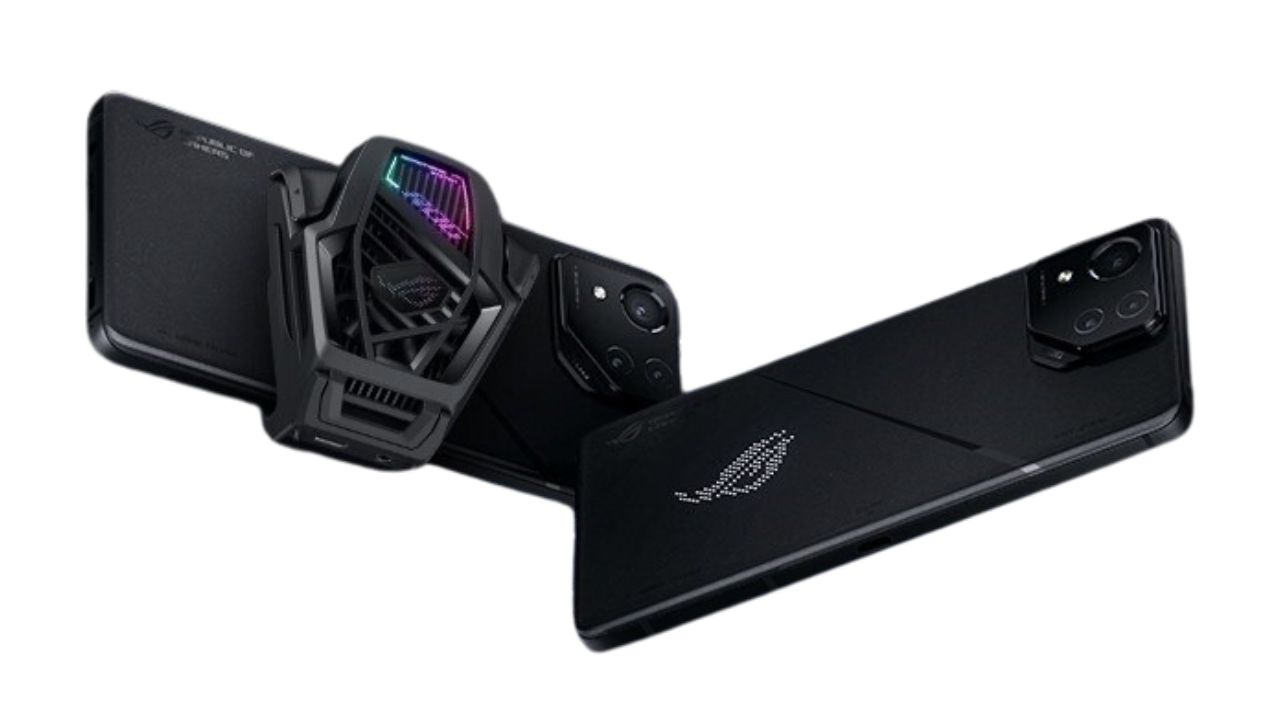
Asus has recently launched the much-awaited ROG Phone 8 Pro in India. Unveiled earlier this month, the smartphone is now available for purchase on Asus’ official Indian website and through Vijay Sales.
The ROG Phone 8 Pro comes in an exclusive Phantom Black color. It offers two memory configurations for potential buyers. The first option includes 16GB of RAM with 512GB of storage, priced at Rs 94,999 (approximately $1,140 or €1,055). The second, more advanced option is the 24GB/1TB model, priced at Rs 119,999 (around $1,445 or €1,330). This model is notably branded as the Asus ROG Phone 8 Pro Edition and comes with an added perk – the ROG AeroActive Cooler X. This accessory, aimed at enhancing the gaming experience, can also be purchased separately for Rs 5,999 (about $70 or €65).

At the core of the Asus ROG Phone 8 Pro is the powerful Snapdragon 8 Gen 3 processor. The phone operates on Android 14, enhanced with Asus’ ROG UI, tailored for an immersive gaming experience. The device flaunts a 6.78-inch 165Hz FullHD+ LTPO AMOLED display, which includes an integrated fingerprint reader for added security.
Battery life is a strong suit for the ROG Phone 8 Pro, equipped with a 5,000 mAh battery. It supports 65W wired charging, although in India, the charging capability is limited to 30W.
Photography enthusiasts will be excited about the ROG Phone 8 Pro’s camera setup. It features a 50MP primary camera with Optical Image Stabilization (OIS), a 32MP telephoto lens (also with OIS and 3x optical zoom), a 13MP ultrawide lens, and a 32MP selfie camera. A unique addition to the phone is a customizable 341 Mini-LED matrix on the back, allowing users to personalize their device further.
For More Such Updates Follow Us On – Telegram, Twitter, Google News, WhatsApp and Facebook

Asus has recently unveiled the official render of its highly anticipated smartphone, the Asus Zenfone 10. The device is slated for a grand launch on June 29th, promising a range of exciting features and improvements. With a compact size, multiple color options, wireless charging support, an advanced camera stabilization system, and the powerful Snapdragon 8 Gen 2 processor, the Zenfone 10 is poised to make a strong impact in the smartphone market.
Asus Zenfone 10 Rumored Specifications and Features
The Asus Zenfone 10 aims to cater to users who prefer a smaller form factor, boasting a 5.9-inch display. This compact size allows for comfortable one-handed usage while still providing an immersive visual experience. Moreover, customers will have the freedom to choose from various color options to suit their personal style.

One of the standout features of the Zenfone 10 is its wireless charging capability. Users will be able to conveniently charge their devices without the need for tangled cables. This wireless charging feature adds a level of convenience and flexibility for users on the go.
Photography enthusiasts will be thrilled to learn that the Zenfone 10 incorporates a 6-axis hybrid Gimbal stabilizer 2.0, taking smartphone videography to new heights. This cutting-edge stabilization technology ensures smooth and steady footage, minimizing the effects of shaky hands or sudden movements. Users can capture professional-quality videos with ease.
Under the hood, the Zenfone 10 is expected to house the powerful Snapdragon 8 Gen 2 mobile platform. Asus has a long-standing tradition of equipping its flagship devices with top-tier processors, and this new model is no exception. The Snapdragon 8 Gen 2 processor guarantees exceptional performance, enabling smooth multitasking, faster app launches, and immersive gaming experiences.
According to rumors, the Zenfone 10 is rumored to offer impressive memory and storage options. The device is expected to come with a whopping 16GB of RAM, providing ample space for seamless multitasking and smooth performance. In terms of storage, the Zenfone 10 is rumored to offer two options: 256GB and 512GB. This marks a significant increase compared to its predecessor, potentially allowing users to store a vast amount of data, including photos, videos, and applications.
Battery life has always been a crucial aspect of smartphones, and Asus seems to have taken note. The Zenfone 10 is rumored to feature a generous 5,000mAh battery, ensuring long-lasting usage on a single charge. Additionally, the device is rumored to support 67W fast wired charging, allowing users to quickly recharge their phones when needed.
As the launch date draws near, anticipation for the Asus Zenfone 10 continues to grow. With its compact size, wireless charging capability, advanced camera stabilization system, and powerful specifications, the Zenfone 10 has the potential to be a game-changer in the smartphone market. Users can look forward to a feature-packed device that caters to their diverse needs and offers an exceptional user experience.
For More Such Updates Follow Us On – Telegram, Twitter, Google News, WhatsApp and Facebook
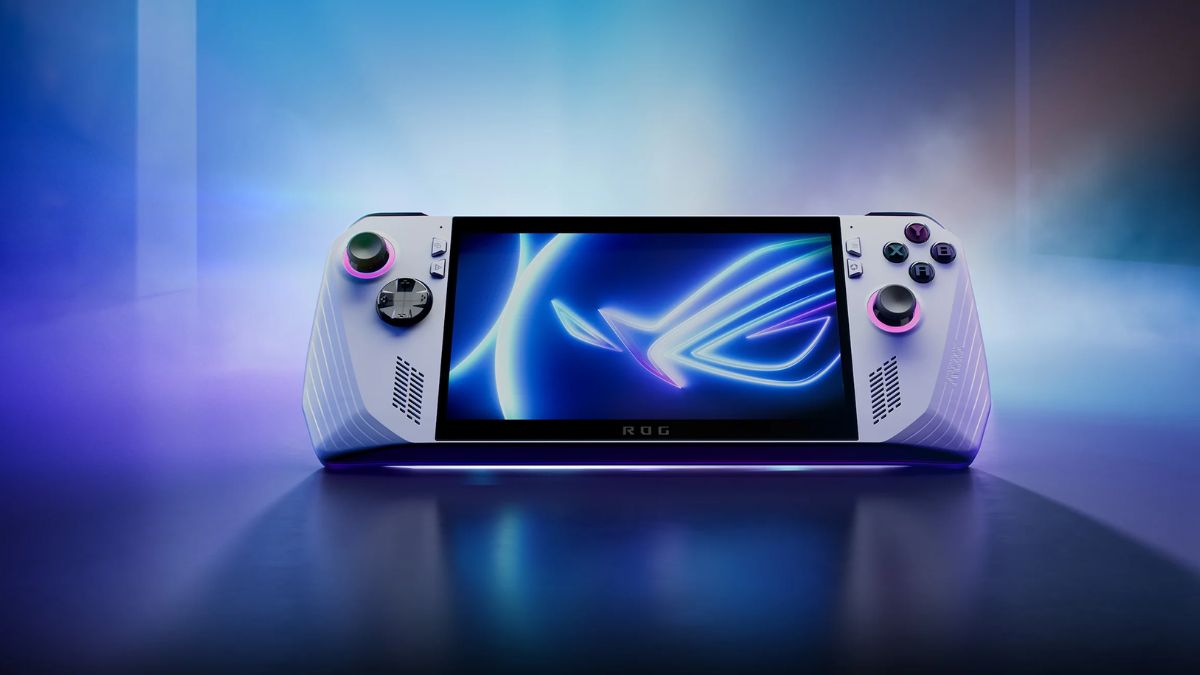
Asus, a renowned manufacturer of high-performance gaming hardware, has announced the release of its latest gaming console, the Asus ROG ALLY 2023. Designed to deliver a captivating and immersive gaming experience, the console combines powerful specifications and innovative features to cater to the needs of gaming enthusiasts.
Asus ROG ALLY 2023: Specifications and Features
The Asus ROG ALLY 2023 console features a 7-inch Full HD IPS LCD display, offering a visually stunning gaming environment. With a resolution of 1920×1080 pixels and a refresh rate of 120Hz, every gaming session becomes fluid and lifelike. The console’s 7ms touch response ensures precise and instantaneous input, enabling gamers to enjoy a highly responsive gaming experience.

The display further enhances the gaming visuals with its peak brightness of 500nits and sRGB 100% color gamut coverage. Additionally, the Corning Gorilla Glass Victus protection ensures durability and safeguards the screen against scratches, making it ideal for long gaming sessions. With Freesync Premium technology, the console minimizes screen tearing and provides a seamless gaming experience.
Driving the powerful performance of the Asus ROG ALLY 2023 console are the options of AMD Ryzen Z1 and AMD Ryzen Z1 Extreme processors. These processors offer exceptional performance, allowing gamers to immerse themselves in the gaming world seamlessly. The console comes equipped with 16GB LPDDR5 dual-channel RAM, operating at a blazing-fast speed of 6400MB/s, ensuring smooth multitasking and swift data access. Moreover, the console provides ample storage capacity with its 512GB PCIe 4.0 NVMe SSD, enabling quick loading times and efficient data transfers.
To deliver an immersive audio experience, the Asus ROG ALLY 2023 console is equipped with Dolby Atmos technology and dual speakers. The inclusion of Smart Amplifier Technology enhances audio quality, while AI noise cancellation ensures crystal-clear communication during multiplayer gaming sessions. With HI-RES audio certification and a built-in array microphone, gamers can enjoy rich and immersive soundscapes.
Portability is a key aspect of the Asus ROG ALLY 2023 console, allowing gamers to take their gaming experience anywhere they go. Weighing just 608 grams and boasting a thickness of 21mm, the console is highly portable and convenient to carry. The console features a 40WH battery and is accompanied by a 65W charger, providing gamers with extended gaming sessions without worrying about power constraints.
Connectivity options on the ROG ALLY 2023 console include a 3.5mm headphone jack, USB-C, Display Port 1.4, and a UHS-II MicroSD card reader, offering versatile options for expansion and connectivity. The console operates on the latest Windows 11 Home operating system, ensuring a seamless and intuitive user experience.
Security remains a priority for Asus, and the ROG ALLY 2023 console includes a fingerprint scanner, providing gamers with a secure and convenient way to access their gaming profiles and content.
Pricing and Availability:
The Asus ROG ALLY 2023 console will be available in two variants: the AMD Ryzen Z1 and the AMD Ryzen Z1 Extreme. The AMD Ryzen Z1 model is priced at $599, while the more powerful AMD Ryzen Z1 Extreme variant will retail at $699. The AMD Ryzen Z1 Extreme variant will be ready to ship on June 13, 2023, while the AMD Ryzen Z1 model is expected to be available in the third quarter of 2023.
Also read:
- Sony Xperia 10V Officially Launches in European Market, Offering Impressive Features at a Competitive Price
- OxygenOS 12 H.41 Update Released for OnePlus 7/7 Pro in GLO and NA Regions
- New Smartphone in Oppo’s Reno Series – Here are the Specifications
If you like our article, follow us on Google News and Instagram, or join our Telegram Group.
For More Such Updates Follow Us On – Telegram, Twitter, Google News, WhatsApp and Facebook