
Apps
Threads App Now Available on Google Play Store [Link]

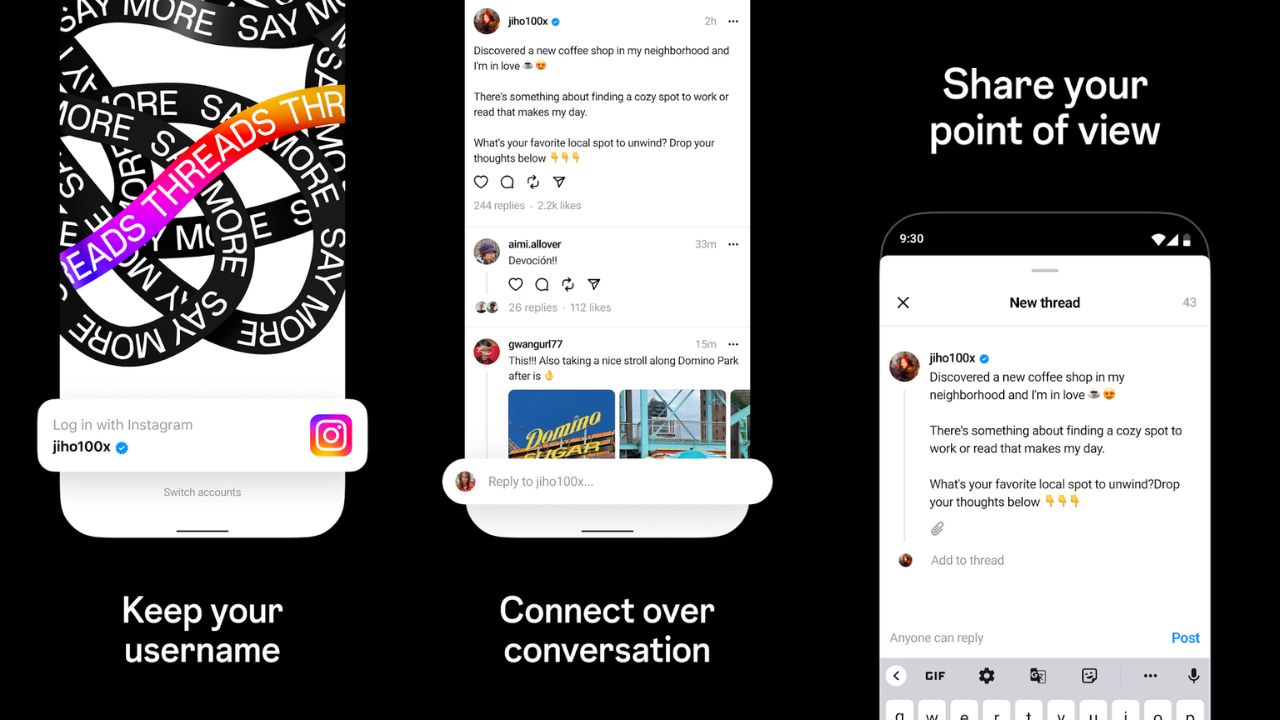
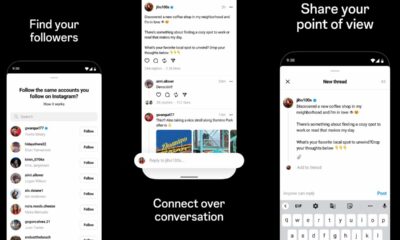
The highly anticipated Threads application from Instagram has finally made its debut on the Google Play Store. With its recent release, users can now officially download and experience the app on their smartphones. Threads has been generating significant buzz in recent months, making it one of the most talked-about topics in the tech community.
Our previous report highlighted Meta’s efforts in developing a new application, which has been in the works since January 2023. As promised, the company has now made Threads available on the Google Play Store, allowing users to get a firsthand look at its features and functionalities.
Renowned Twitter tipster @yabhishekhd shared the link to the Threads application, enabling interested users to access it directly through the Play Store. However, while many users have successfully downloaded and accessed the app, some have encountered difficulties in opening it. Addressing this concern, the tipster later posted an update suggesting that the Twitter rival app, Threads from Instagram, is expected to officially launch on July 6.
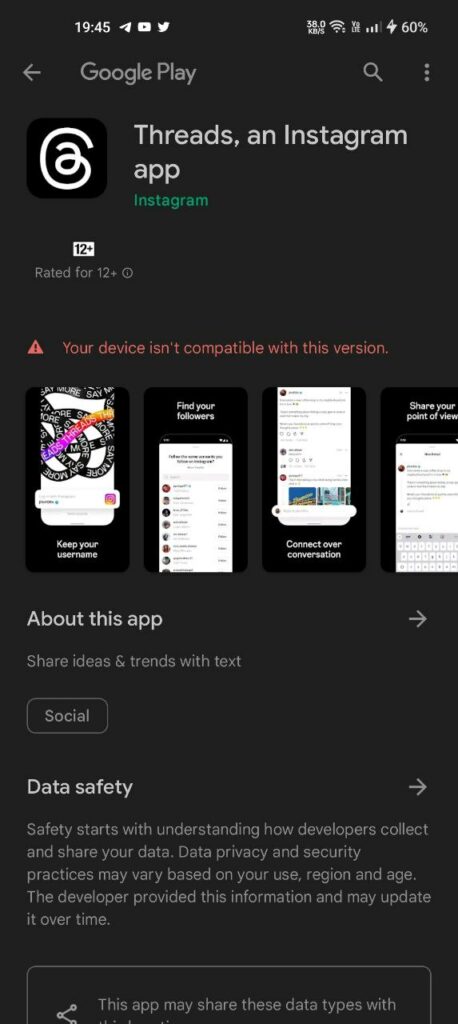
Threads Google Play Store Link
If you find yourself unable to locate the app on your device, fret not. Just wait one more day, and you will soon have the opportunity to explore the workings of this new and exciting application.
Threads app is aimed at enhancing private communication and connectivity between users, with a particular focus on close friends and acquaintances. It offers a range of features such as sharing photos, videos, and messages with a select group of individuals, creating a more intimate and personalized social networking experience.
With the official release of Threads on the Google Play Store, users can expect to see a surge in its popularity as more individuals explore its unique offerings. As the app gains traction, it will undoubtedly influence the way people engage and interact within their social circles.
So, if you’ve been eagerly waiting to try out Threads, head over to the Google Play Store now and experience the new frontier of private communication and social networking.
For More Such Updates Follow Us On – Telegram, Twitter, Google News, WhatsApp and Facebook













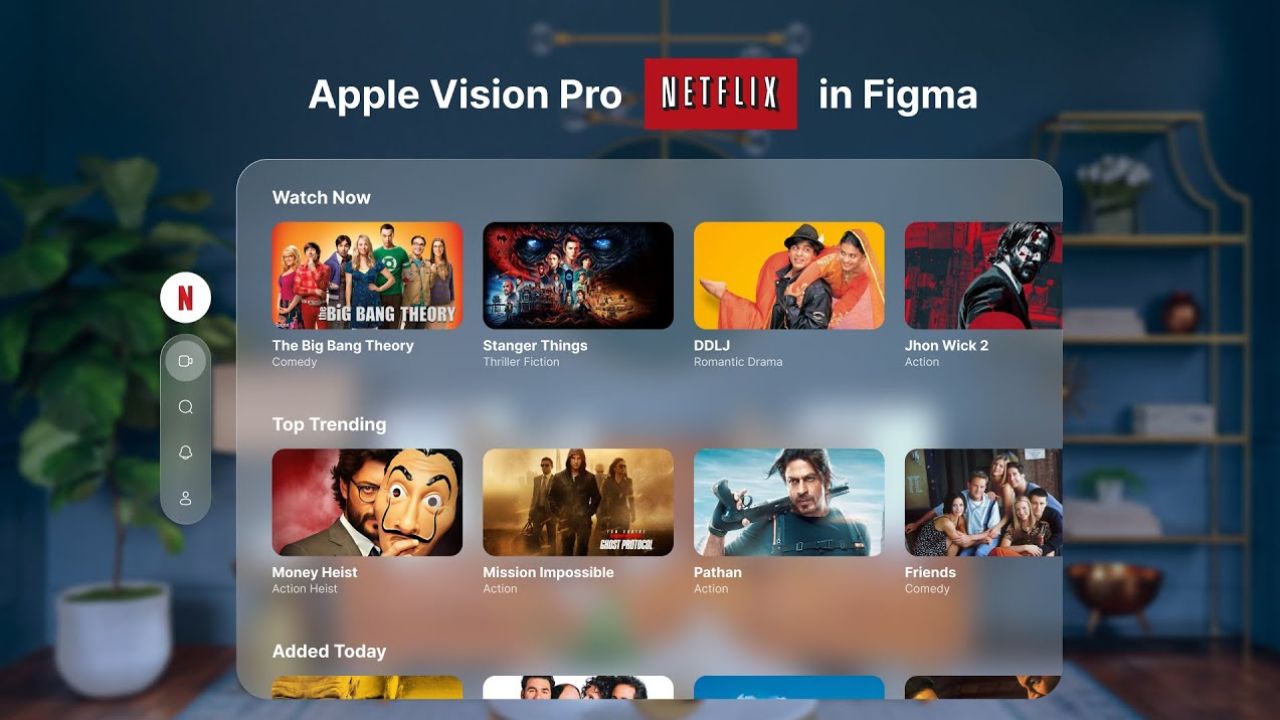
Recently, pre-orders for the Apple Vision Pro were started. According to Ming-Chi Kuo, an analyst has reported sales of around 160,000 to 180,000 units of the Vision Pro. In context to the sales of Apple Vision Pro, Netflix Co-CEO Greg Peters revealed in an interview that there is no need for the Netflix app in Apple’s VR headset.
In that interview, Peters also defined that the number of subscribers can’t justify the attempts to port an app for a platform. In the future, there may be a Netflix app for Apple’s VR headset, but currently, Netflix is adopting a wait-and-see approach. For now, YouTube and Spotify have no plans for dedicated apps.
As we also mentioned in the recent post of the Apple Vision Pro, you can use the apps via the browser in the Vision Pro. Apple’s own Apple TV+ streaming services are available on the Apple Vision Pro, which features “Apple Immersive Video” with Spatial Audio and 180° 3D footage in 8K resolution.
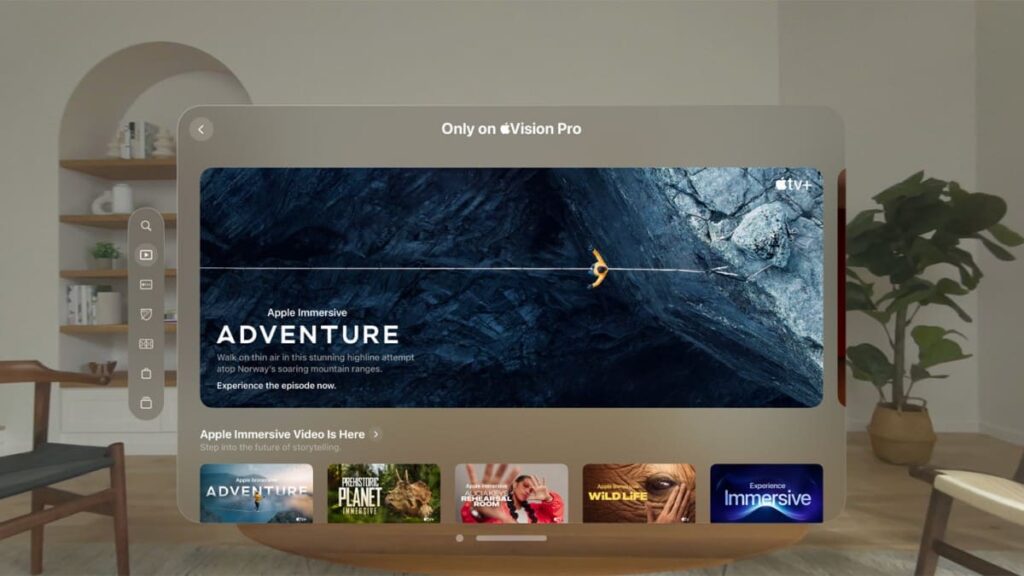
Similarly, Netflix has also a VR app which was launched in back 2015, that also offers VR Content and includes a 360° video for the Stranger Things Series, but for now, it’s not available in Apple Vision Pro. Netflix has a ton of VR movies that you can also check out.
Featured Image Courtesy: Average Design Dude (YouTube)
For More Such Updates Follow Us On – Telegram, Twitter, Google News, WhatsApp and Facebook

WhatsApp has undergone notable changes, introducing new colors and status updates for both its website and app. Whatsapp is currently in the process of rolling out a fresh update through the TestFlight beta program, named version 24.1.10.76. Within the app’s settings, the version is identified as 2.24.1.76, while the TestFlight build stands at 24.1.10(555067882).
WhatsApp beta for Android, in its 2.24.2.11 version, is rolling out a significant feature. Users can now create and share polls within their channels, fostering interactive engagement by collecting feedback, opinions, and preferences directly from their followers. The latest WhatsApp beta test for iOS, marked as version 24.1.10.76, is also geared up to incorporate this polling feature.
WhatsApp ensures that the choices made by channel followers during voting remain secure and anonymous. Currently available to beta testers, the feature to share polls in channels can be accessed by installing the latest version of WhatsApp beta for iOS and other Android phones via the TestFlight app. It will be available to everyone in the coming days.
While polls on various platforms often disappear within 24 hours, it remains to be seen whether WhatsApp will adopt a similar approach or introduce its own unique twist.
For More Such Updates Follow Us On – Telegram, Twitter, Google News, WhatsApp and Facebook
X (formerly Twitter) is going to introduce voice and video calls on Android. The Audio and Video Calls feature has already been available for iOS users since October last year, and now the feature is going to be available for Android users. But you need X premium subscription to make calls. You can receive calls for free.
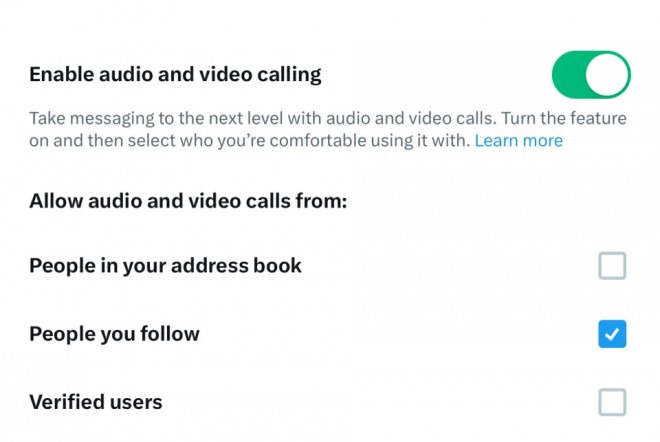
You can see the Audio and Video Calls option in the settings tab of DM. Users can also control privacy settings from the settings page by selecting from the three options of who can call them: accounts they follow, people in their contact book, verified users, etc. If you want to know more about audio and video calls on X, then you can read more by clicking here.
Will you purchase a premium subscription from X for audio and video calls? Do let us know in the comment box. Also, do tell us whether you like our post or not.
For More Such Updates Follow Us On – Telegram, Twitter, Google News, WhatsApp and Facebook