
Apps
YouTube brings the “You” Tab, Replacing the Library Option on Android

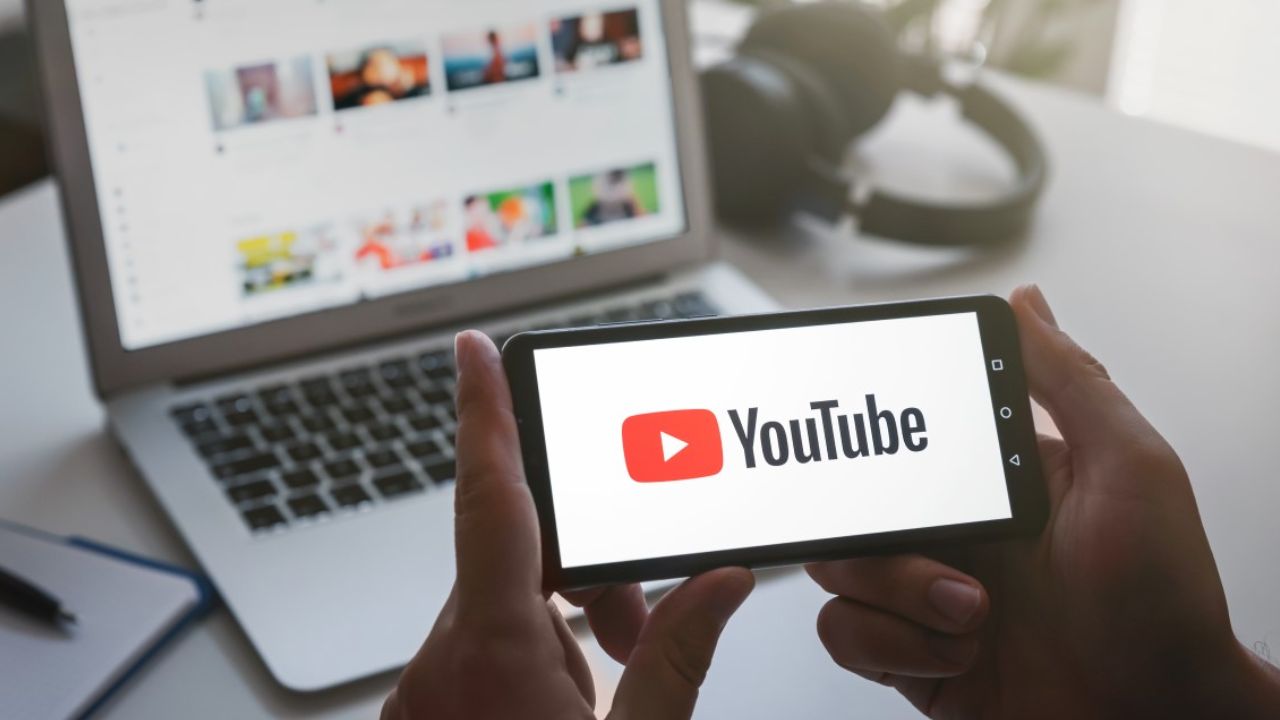
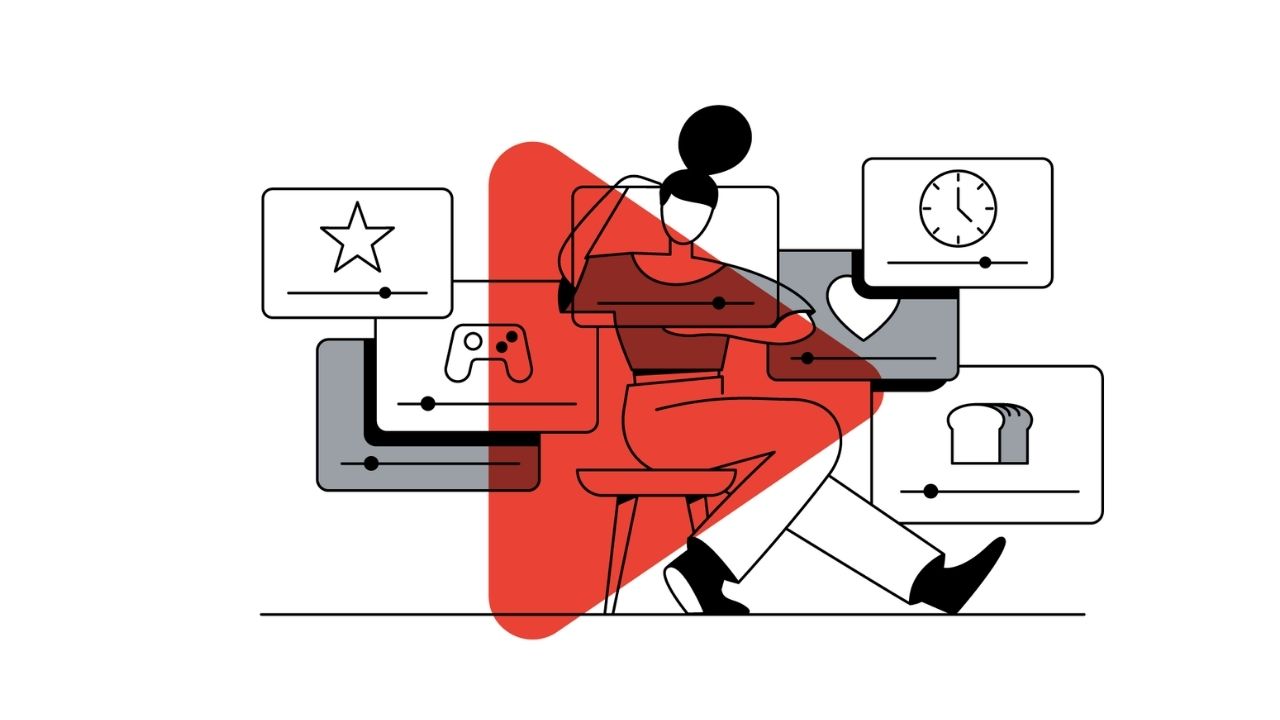
In an attempt to revamp its user interface, YouTube for Android is currently running tests on a new redesign. The focus of this change is the introduction of the “You” Tab, which will replace the longstanding Library option.
In this new design, users will notice that the familiar profile avatar, once found in the top-right corner, has now shifted to the bottom bar. This newly positioned avatar icon will lead users to the “You” Tab. This fresh tab appears to be a blend of the previous account menu’s functionalities combined with the Library.
The alteration is striking, mainly because most Google apps traditionally feature the account picture in the top-right position. The new positioning on YouTube, oddly, mirrors the layout seen on platforms like Instagram and other social media apps. The possible intent behind this change could be to align YouTube’s user interface closer to popular social platforms.
Upon tapping on the “You” Tab, users will first see their channel information. Following this, there are quick-access buttons for functionalities like Switch Account, Accessing the Google Account, and the Incognito mode.
Another change that’s hard to miss is the accessibility of the app settings. Users can now quickly find them through a gear icon, which is prominently displayed only on the “You” page. This provides a quicker route compared to the previous design.
In this revamped layout, sections for History and Playlists have been transformed into carousels. This major usability change underscores the fact that YouTube no longer views this page as a mere Library.
Additional features found within the “You” Tab include sections for all user videos, Downloads, Clips, Movies, Premium benefits, and Time Watched. There’s also a section for Help & Feedback.
However, it’s important to note that not all users can currently see the “You” Tab. Its availability is still limited, indicating that YouTube might be in the early stages of testing this design. Users can expect a broader rollout once YouTube finalizes the changes based on feedback and test results.
For More Such Updates Follow Us On – Telegram, Twitter, Google News, WhatsApp and Facebook








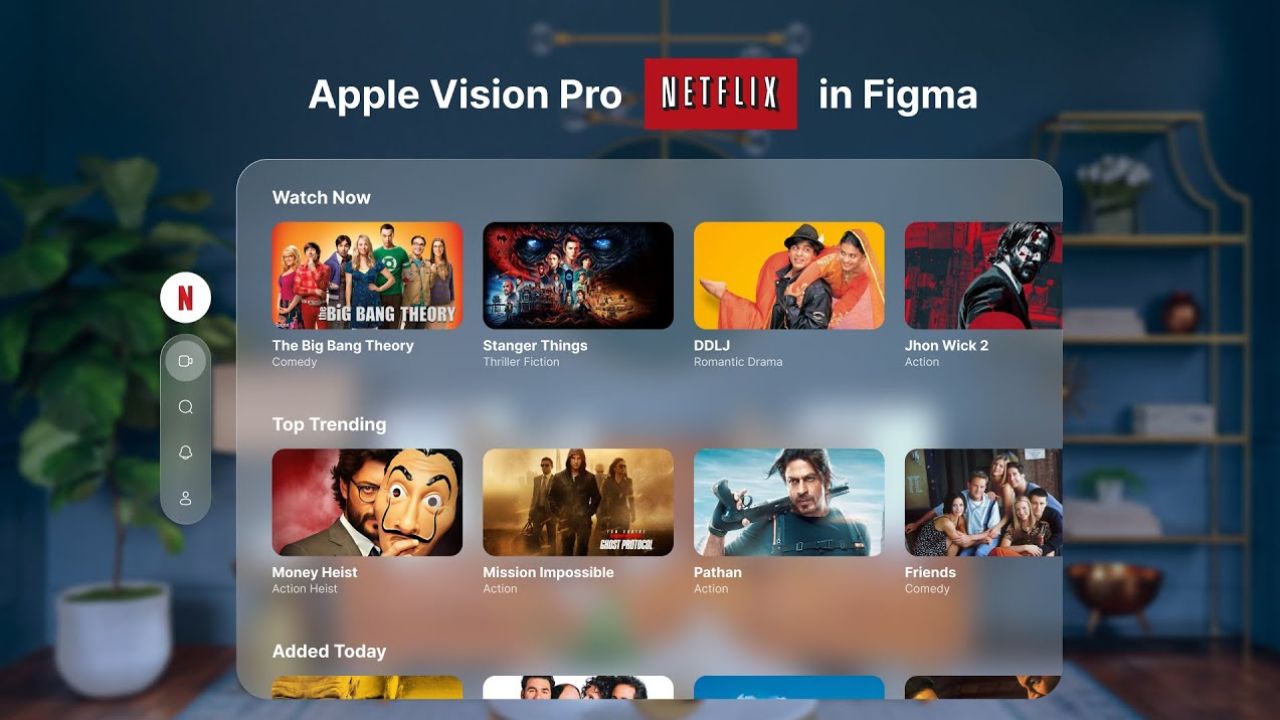
Recently, pre-orders for the Apple Vision Pro were started. According to Ming-Chi Kuo, an analyst has reported sales of around 160,000 to 180,000 units of the Vision Pro. In context to the sales of Apple Vision Pro, Netflix Co-CEO Greg Peters revealed in an interview that there is no need for the Netflix app in Apple’s VR headset.
In that interview, Peters also defined that the number of subscribers can’t justify the attempts to port an app for a platform. In the future, there may be a Netflix app for Apple’s VR headset, but currently, Netflix is adopting a wait-and-see approach. For now, YouTube and Spotify have no plans for dedicated apps.
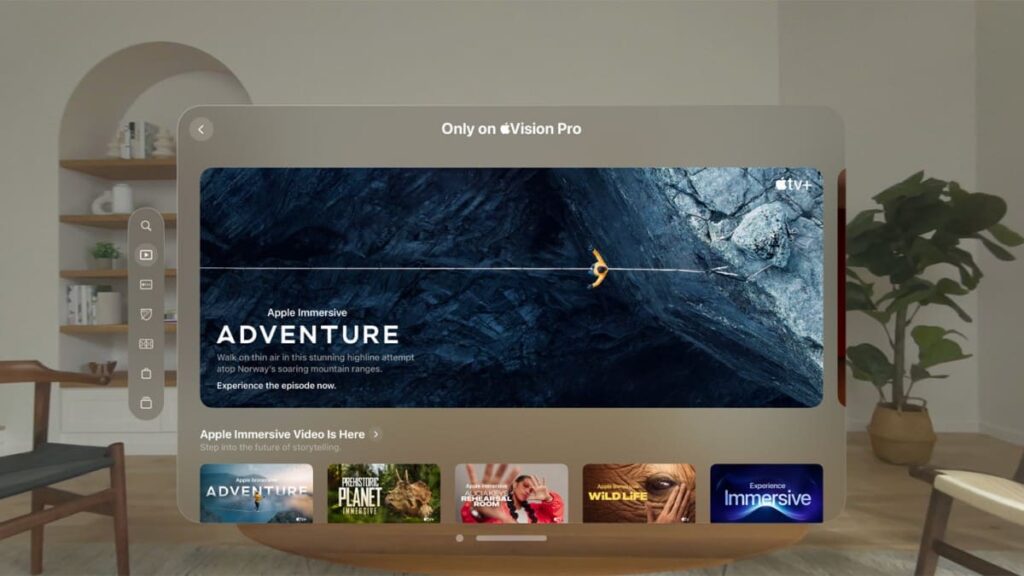
As we also mentioned in the recent post of the Apple Vision Pro, you can use the apps via the browser in the Vision Pro. Apple’s own Apple TV+ streaming services are available on the Apple Vision Pro, which features “Apple Immersive Video” with Spatial Audio and 180° 3D footage in 8K resolution.
Similarly, Netflix has also a VR app which was launched in back 2015, that also offers VR Content and includes a 360° video for the Stranger Things Series, but for now, it’s not available in Apple Vision Pro. Netflix has a ton of VR movies that you can also check out.
Featured Image Courtesy: Average Design Dude (YouTube)
For More Such Updates Follow Us On – Telegram, Twitter, Google News, WhatsApp and Facebook

WhatsApp has undergone notable changes, introducing new colors and status updates for both its website and app. Whatsapp is currently in the process of rolling out a fresh update through the TestFlight beta program, named version 24.1.10.76. Within the app’s settings, the version is identified as 2.24.1.76, while the TestFlight build stands at 24.1.10(555067882).
WhatsApp beta for Android, in its 2.24.2.11 version, is rolling out a significant feature. Users can now create and share polls within their channels, fostering interactive engagement by collecting feedback, opinions, and preferences directly from their followers. The latest WhatsApp beta test for iOS, marked as version 24.1.10.76, is also geared up to incorporate this polling feature.
WhatsApp ensures that the choices made by channel followers during voting remain secure and anonymous. Currently available to beta testers, the feature to share polls in channels can be accessed by installing the latest version of WhatsApp beta for iOS and other Android phones via the TestFlight app. It will be available to everyone in the coming days.
While polls on various platforms often disappear within 24 hours, it remains to be seen whether WhatsApp will adopt a similar approach or introduce its own unique twist.
For More Such Updates Follow Us On – Telegram, Twitter, Google News, WhatsApp and Facebook
X (formerly Twitter) is going to introduce voice and video calls on Android. The Audio and Video Calls feature has already been available for iOS users since October last year, and now the feature is going to be available for Android users. But you need X premium subscription to make calls. You can receive calls for free.
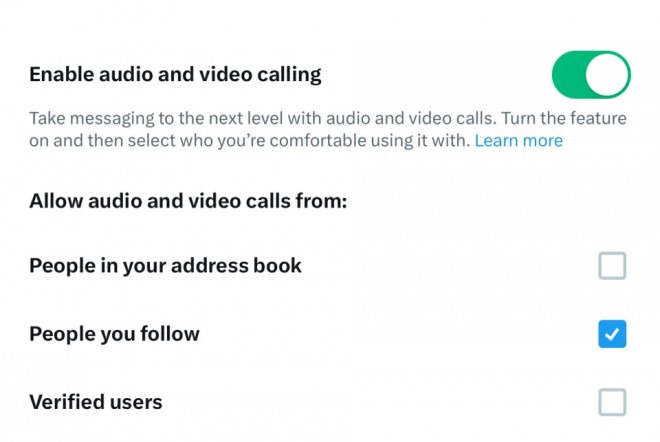
You can see the Audio and Video Calls option in the settings tab of DM. Users can also control privacy settings from the settings page by selecting from the three options of who can call them: accounts they follow, people in their contact book, verified users, etc. If you want to know more about audio and video calls on X, then you can read more by clicking here.
Will you purchase a premium subscription from X for audio and video calls? Do let us know in the comment box. Also, do tell us whether you like our post or not.
For More Such Updates Follow Us On – Telegram, Twitter, Google News, WhatsApp and Facebook